
By MICE Bhutan / Posted on 09 September, 2026 16:13
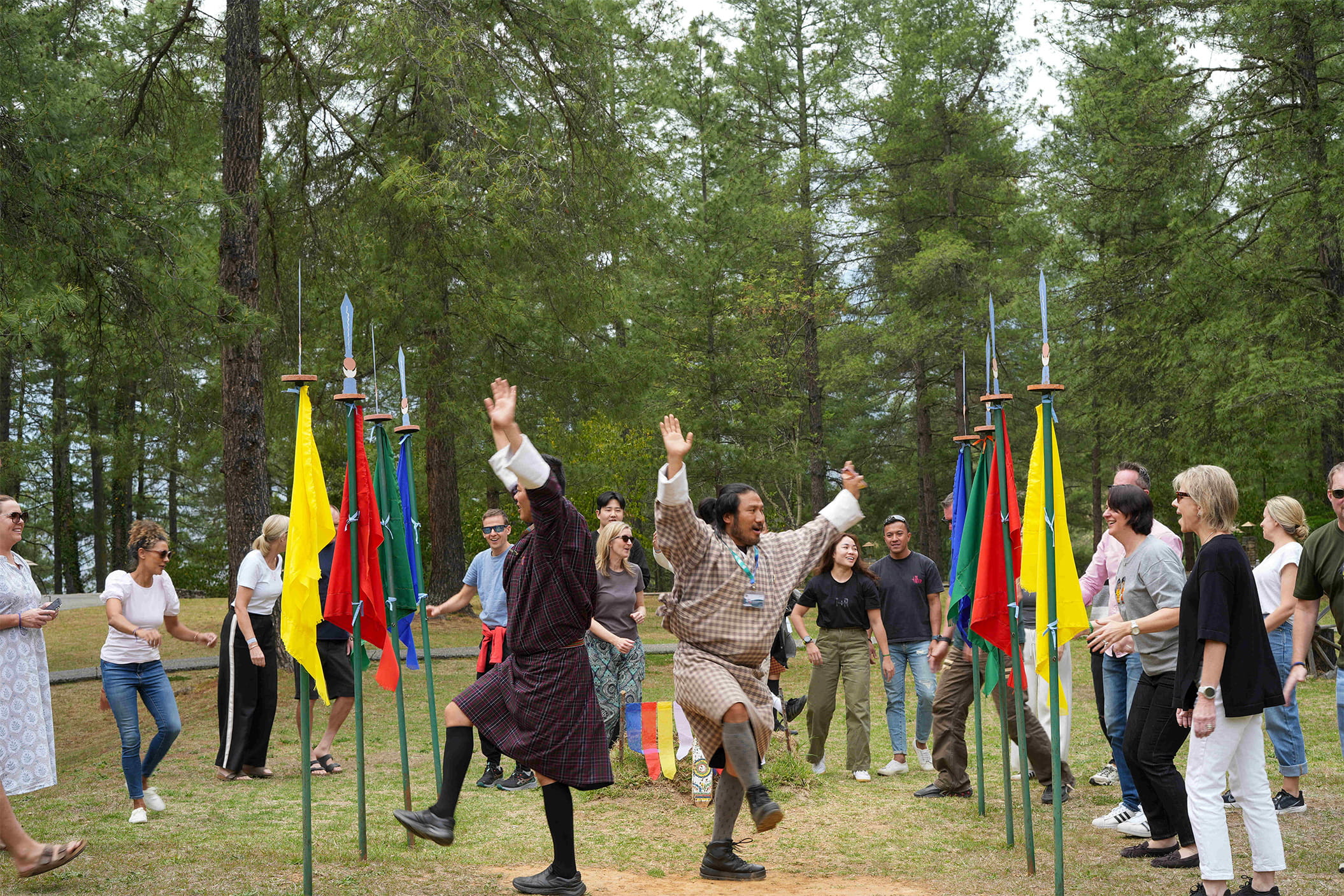
Discover how corporate incentive groups can support communities, culture and conservation through responsible, purpose led travel in Bhutan.
An incentive trip should reward the people who made an important contribution to your organisation.
But the journey can create value for more than the people travelling.
In Bhutan, a corporate group can celebrate achievement while supporting cultural preservation, local livelihoods, youth development and environmental initiatives. The experience becomes more meaningful when participants understand the people and places behind the destination, rather than moving through it as passive visitors.
This is the idea behind purpose led incentive travel.
It is not about adding a rushed volunteering activity to the itinerary or asking employees to pose for photographs while giving something away. It is about listening to local priorities, working with suitable partners and directing time, spending or support towards initiatives that create genuine value.
When thoughtfully planned, an incentive journey can leave participants with extraordinary memories and leave something positive behind in Bhutan.
Purpose led incentive travel combines employee recognition with a clear social, cultural or environmental intention.
The trip still needs to feel rewarding. Participants should enjoy excellent accommodation, thoughtful service, memorable activities and time together. The difference is that the programme also considers how the group interacts with the destination and where its spending goes.
A purpose led programme might include:
The purpose should be built into the programme from the beginning. It should not feel like an activity added simply to make the trip appear more responsible.
PLAN AN INCENTIVE TRIP TO BHUTAN
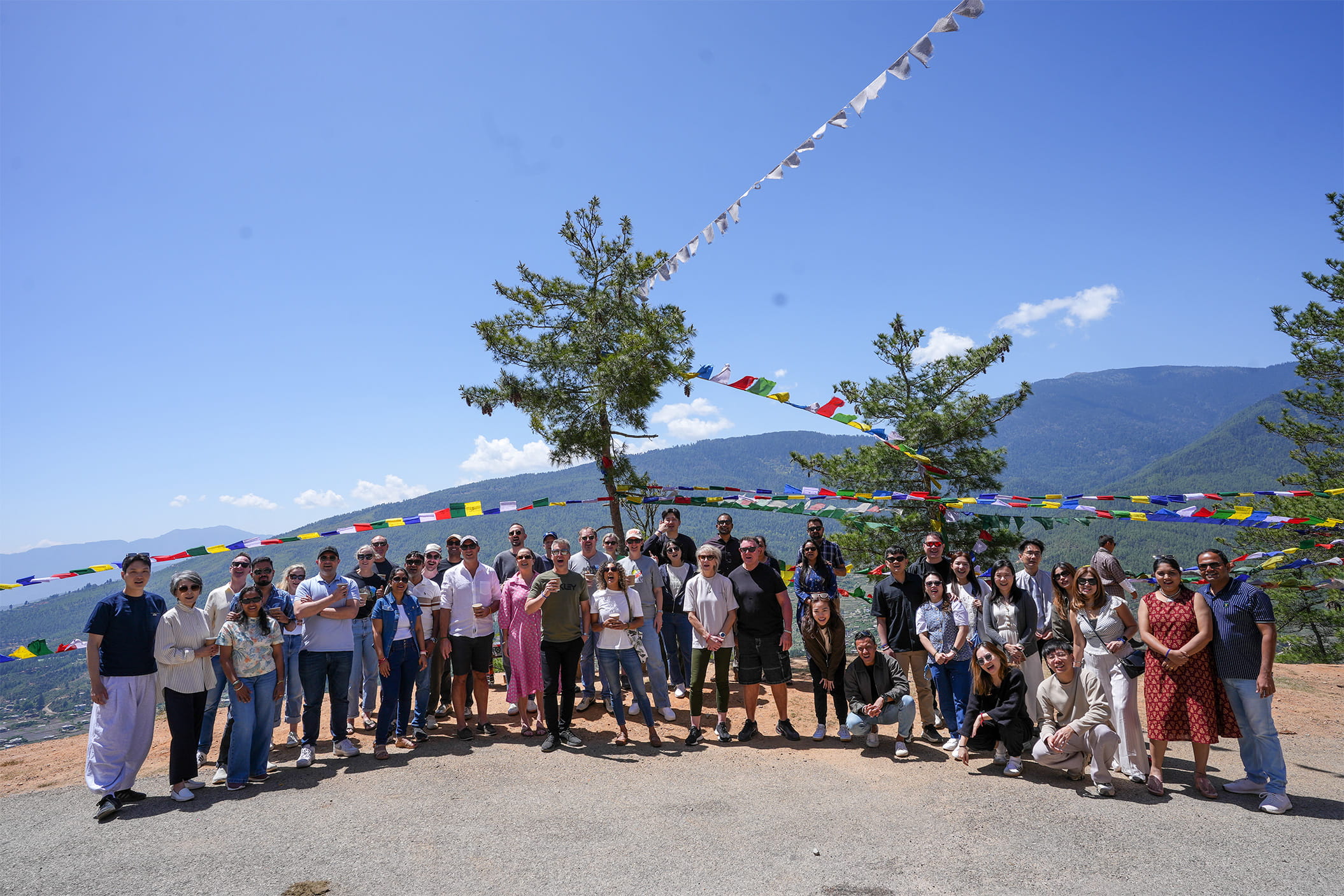
Bhutan has long approached tourism through a philosophy centred on value, cultural respect and environmental care.
Visitors are drawn to the country's mountain landscapes, Buddhist heritage, traditional architecture, crafts and living communities. These qualities create memorable journeys, but they also need to be treated with care.
For corporate groups, this creates an opportunity to think beyond consumption. A journey can help participants understand how tourism affects communities, why cultural institutions matter and how responsible choices can strengthen the places they visit.
Bhutan also encourages a slower style of travel. Groups spend time with guides, travel through valleys and experience cultural settings that cannot be understood from a conference room. This creates space for conversation about the company's own values and the impact it wants to make.
Bhutan Incentive Travel: Why Choose Bhutan?
Bhutan's museums, historic buildings, traditional arts and cultural collections protect stories that might otherwise be lost.
MICE Bhutan is working with Bhutan's Department of Culture to support the revitalisation of three nationally significant museums. The initiative creates opportunities for organisations to connect corporate travel with cultural preservation through suitable educational experiences, fundraising or institutional support.
A group could visit a museum with expert interpretation, learn why its collection matters and understand the work required to preserve it. The company may then choose to make a contribution, support a specific need or invite participants to take part in a fundraising effort.
Any engagement should be planned with the institution itself. The museum should determine what support is useful and how visitors can participate appropriately.
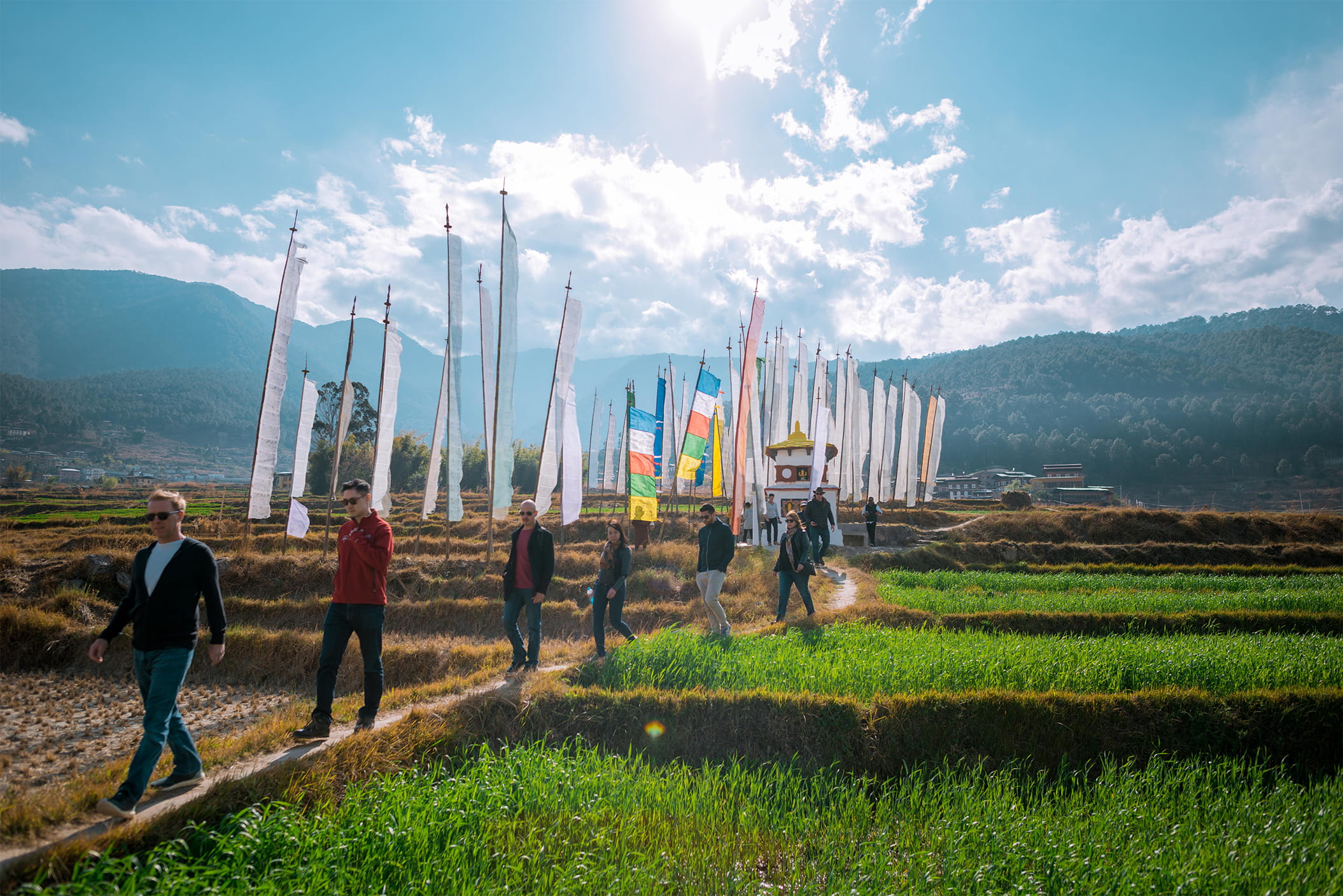
One of the most direct ways to create local benefit is through the choices built into the itinerary.
Corporate groups can stay at Bhutanese owned properties, dine at local restaurants, work with Bhutanese guides, purchase from artisans and include community based experiences where suitable.
This does not require turning every transaction into a charity activity. It simply means planning the programme so that more of its value remains within the destination.
MICE Bhutan previously organised an experience for the Truly Expat community that brought participants into Bhutan's hazelnut orchards. Guests met local growers, tried harvesting and enjoyed recipes inspired by the crop. Experiences like this can create income while giving participants a more personal understanding of local livelihoods.
Corporate gifts are often produced far from the destination and forgotten soon after the event.
Bhutan offers a more meaningful alternative.
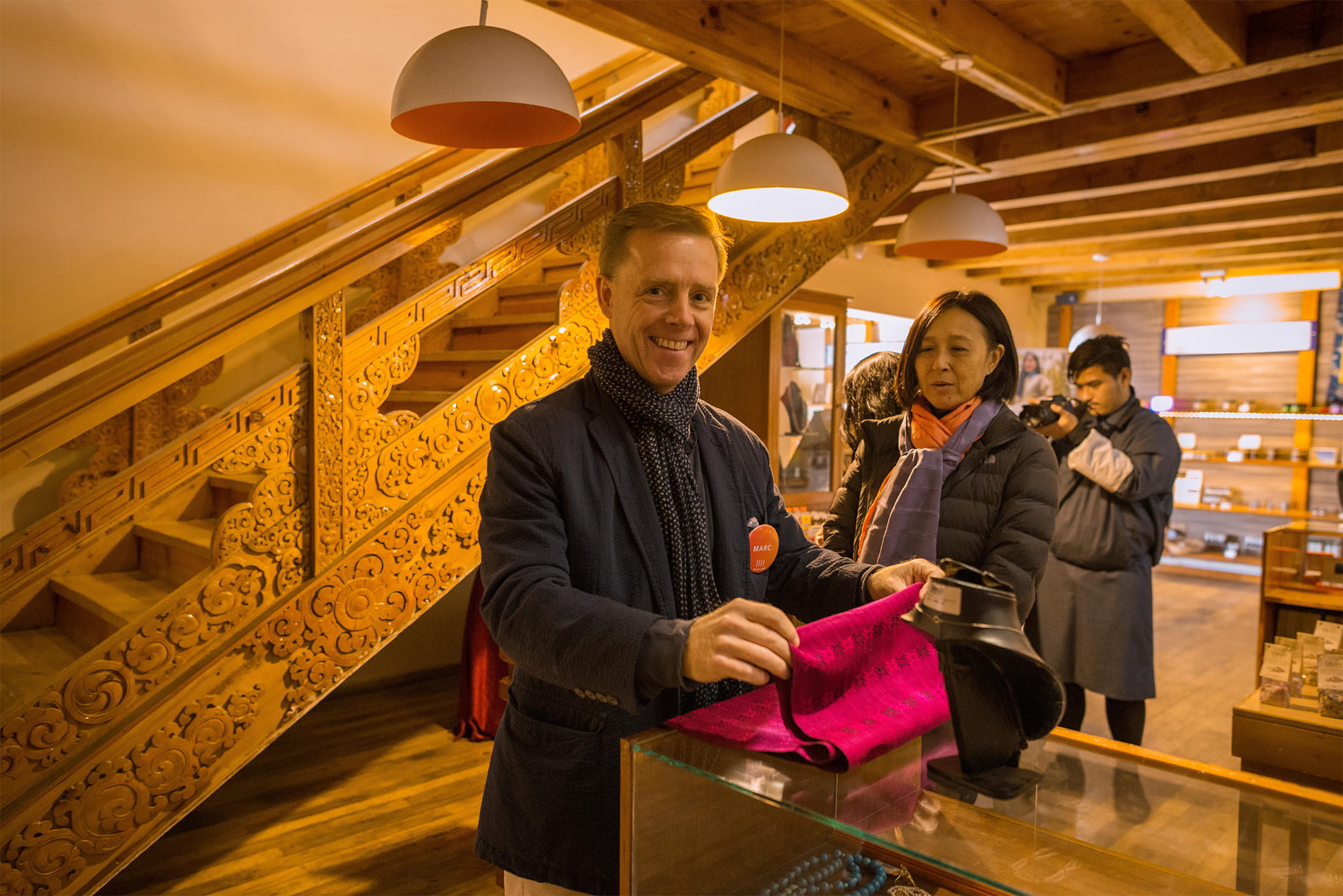
Companies can consider textiles, handmade paper, artwork, natural products or other items created by Bhutanese artisans. A guide or artisan can explain the materials, techniques and cultural meaning behind the gift before it is presented.
This makes the recognition more personal while supporting makers and traditional skills.
Custom orders need to be discussed early, especially for larger groups. Fair pricing, realistic production times and the artisan's creative integrity should be respected.
Bhutan's forests and biodiversity are part of what makes the country remarkable. Corporate groups may want to support conservation, but environmental activities need more planning than simply planting a tree for a photograph.
MICE Bhutan has partnered with the Bhutan Youth Development Fund on an initiative to plant 2,664 flowering trees with guests across Bhutan over three years.
Projects of this kind should be managed by local organisations that can select appropriate species, planting locations and maintenance plans. The long term survival of the trees matters more than the number planted during one afternoon.
A company can contribute through participation, funding or support for aftercare, depending on what the partner needs.
Some organisations may want their incentive journey to contribute to education, employment or skills development.
The most responsible approach is to work with an established Bhutanese organisation that already understands local needs. The partner should define what form of support is useful.
This could involve funding a programme, sponsoring resources requested by the organisation or participating in a carefully structured exchange. Employees should not assume that their professional experience automatically gives them the right solution.
Knowledge sharing can be valuable when it is invited, relevant and designed as a genuine exchange rather than a one sided lesson.
The company can begin creating impact before the group arrives in Bhutan.
Participants might work towards a shared fundraising target linked to a verified initiative. The organisation can match the amount raised or make a contribution connected to a business milestone.
During the journey, the group can learn about the initiative and meet appropriate representatives when possible. This gives context to the fundraising without requiring the recipients to perform gratitude for visitors.
After the trip, the company should communicate what was contributed, how it will be used and what follow up will take place.
Private performances, craft demonstrations, cooking sessions and cultural encounters can create meaningful opportunities for local practitioners.
These experiences should be treated as professional services. Performers, artisans, hosts and facilitators should be paid fairly for their time, knowledge and preparation.
Participants should also receive guidance on appropriate behaviour, photography and questions. Respect makes the exchange more comfortable for everyone involved.
Giving back is not limited to donations. A responsible incentive trip should also reduce avoidable harm.
Practical choices can include:
These decisions may appear small, but they show participants that responsibility is part of the entire programme rather than one isolated activity.
Corporate groups often want to document their impact. Photographs, internal reports and social content can help employees and stakeholders understand the programme.
However, community members should never become props for a company story.
Before taking or publishing photographs, organisers should obtain appropriate consent and explain how the images may be used. Extra care is required when children, religious settings or vulnerable people are involved.
The language used after the trip also matters. Avoid presenting visitors as people who arrived to rescue a community. Focus instead on partnership, learning and support for work already being led in Bhutan.
A respectful story is more credible than an exaggerated one.
Good intentions can still create poor outcomes when activities are planned around what visitors want to do rather than what communities need.
Avoid:
The most useful contribution may not always create the most dramatic photograph. Funding equipment requested by a museum, paying artisans fairly or supporting tree maintenance can have greater value than a highly visible group activity.
The purpose component should sit naturally within a rewarding journey rather than taking over the entire itinerary.
Meet the group at Paro International Airport and continue to Thimphu. After time to settle into the hotel, hold a relaxed welcome dinner.
Introduce the purpose behind the programme and explain the local initiative the company has chosen to support. Keep the session concise and allow participants to ask questions.
Visit selected cultural sites in Thimphu with an experienced guide. Include a museum or heritage experience connected to Bhutan's cultural preservation work, subject to suitable arrangements with the institution.
Participants can learn about the collection, the people preserving it and the practical needs of the project. End the day with a Bhutanese dinner or private cultural performance.
Travel into the countryside for a locally led experience connected to farming, food, crafts or another suitable community activity.
The programme might include meeting producers, taking part in a practical activity and sharing a meal. The experience should create fair economic value for the people hosting it.
Take part in an environmental activity organised by an appropriate Bhutanese partner, or contribute to an existing initiative through funding and education.
Balance the purpose element with an enjoyable team experience such as archery, a nature walk, rafting or wellness.
Finish with a recognition dinner that celebrates the employees being rewarded and acknowledges the local partners who helped shape the journey.
Before leaving Bhutan, invite participants to reflect on what they learned and how it connects with the organisation's values.
Share the company's follow up commitment so the purpose does not end at the airport. Then transfer the group to Paro International Airport for departure.
The strongest partnership connects three things:
A company connected to education might support youth skills through an established organisation. A business with a strong environmental commitment may prefer a locally managed conservation project. A company in design, media or culture could connect naturally with museums, crafts or heritage preservation.
The connection should be relevant, but it does not need to become a branding exercise. Local needs must remain more important than the company's desire for visibility.
Purpose led travel becomes more credible when the organisation defines what it is trying to achieve.
Possible measures include:
Not every outcome needs to be reduced to a large number. A smaller contribution can still matter when it responds to a real need and is delivered responsibly.
The company should report honestly about both the scale and limits of its contribution.
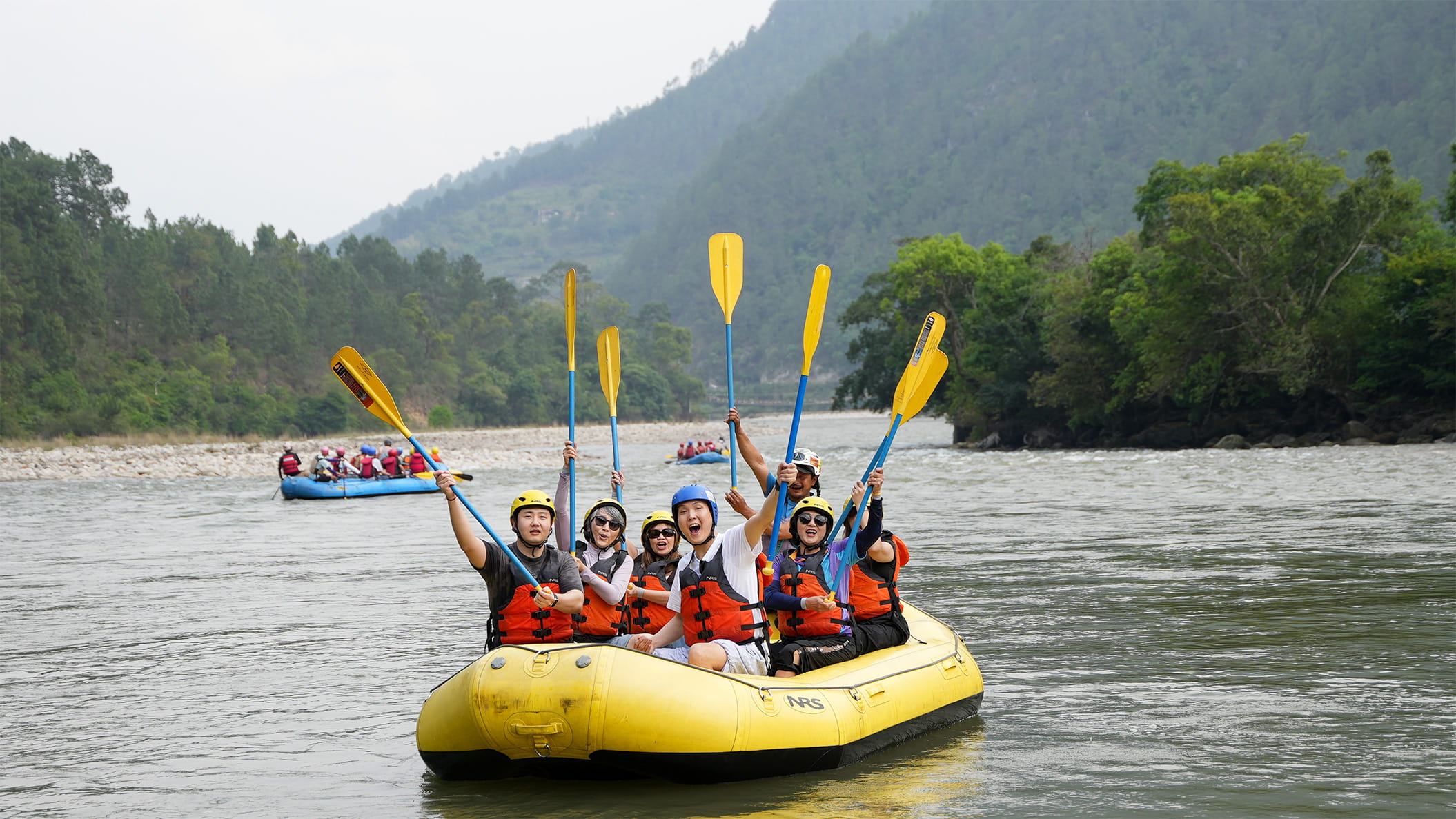
An incentive trip is still a reward. Employees should not feel that they have been sent abroad to work through a packed volunteering schedule.
Combine the purpose element with experiences participants will genuinely enjoy, such as:
The best balance allows people to celebrate their achievements while returning home with a deeper connection to Bhutan.
A meaningful programme cannot be assembled from a generic list of good causes.
It requires local relationships, careful coordination and honest conversations about what support is useful. Activities must also fit the group's size, schedule, interests and physical abilities.
MICE Bhutan can help organisations design incentive journeys that reward employees while creating positive value for culture, communities and the environment. Our team can coordinate flights, visas, accommodation, transport, activities, recognition events and suitable engagement with Bhutanese partners.
Tell us what your organisation stands for, who you want to reward and the kind of legacy you hope the journey will leave. We will help you create a programme that feels meaningful for your people and respectful towards Bhutan.
