By MICE Bhutan / Posted on 03 September, 2026 11:53
Planning an incentive trip to Bhutan requires a little more preparation than choosing a conventional resort destination. Flight capacity is more limited, groups travel between destinations by road, visas need to be coordinated and Bhutan has its own Sustainable Development Fee system.
With the right planning, those differences become part of what makes the destination so rewarding.
This guide covers the key things event planners and organisations should consider when planning an incentive programme in Bhutan.
Before deciding on hotels and activities, determine what the incentive is meant to achieve.
Are you rewarding top performers?
Celebrating a company milestone?
Bringing teams from different markets together?
Creating stronger relationships?
Building a programme around wellbeing or sustainability?
The answer should shape everything that follows.
A reward focused programme may place greater emphasis on premium accommodation, dining and exclusive experiences. A team focused programme might incorporate archery, rafting and shared challenges.
Bhutan can accommodate both intimate incentive groups and larger corporate delegations, but group size affects almost every part of the programme.
For larger groups, you may need to consider:
Early planning becomes increasingly important as group size increases.
For most incentive groups, four to six nights provides a good balance.
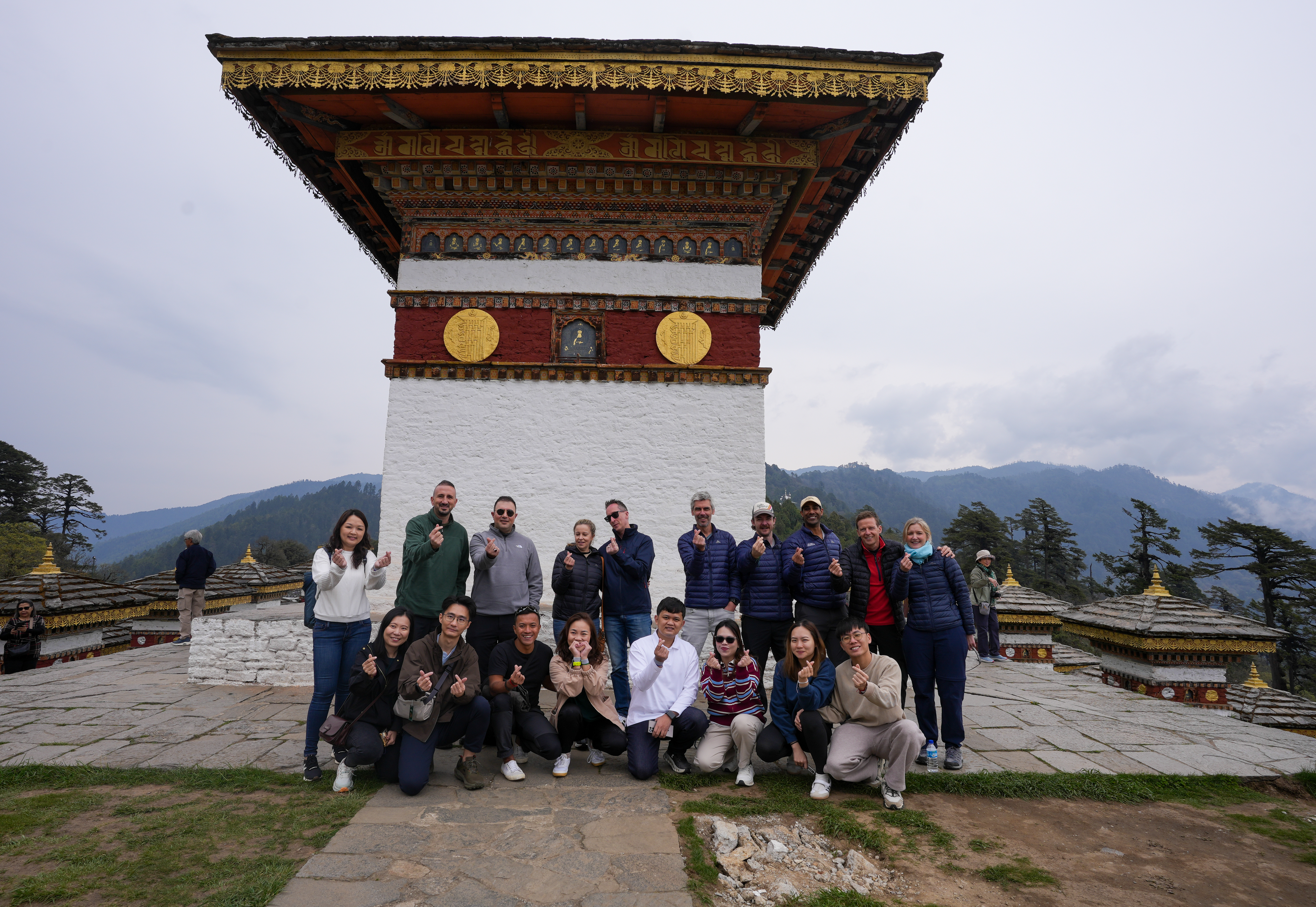
A five day programme, for example, can comfortably combine Thimphu and Paro while incorporating cultural experiences, team activities and a Tiger's Nest hike.
Adding Punakha creates more variety but also requires additional road travel.
Avoid trying to see too much. Bhutan works particularly well when there is enough time to actually experience each place.
Bhutan's capital works particularly well for meetings, corporate dinners, cultural activities, archery and larger hotel based events.
Paro combines convenient airport access with mountain scenery, luxury accommodation and the iconic Tiger's Nest Monastery.
With its warmer climate, rivers and spectacular dzong, Punakha is excellent for rafting, outdoor activities and programmes that benefit from a change of scenery.
For a shorter programme, Thimphu and Paro are usually the most practical combination.
Spring and autumn are the most popular periods for corporate and incentive travel.
March to May generally brings pleasant temperatures and spring landscapes.
September to November is particularly attractive for clearer skies and comfortable conditions.
Winter can also work beautifully for smaller groups seeking quieter travel periods and crisp Himalayan scenery.
Summer coincides with Bhutan's monsoon period, although programmes can still be organised with appropriate planning.
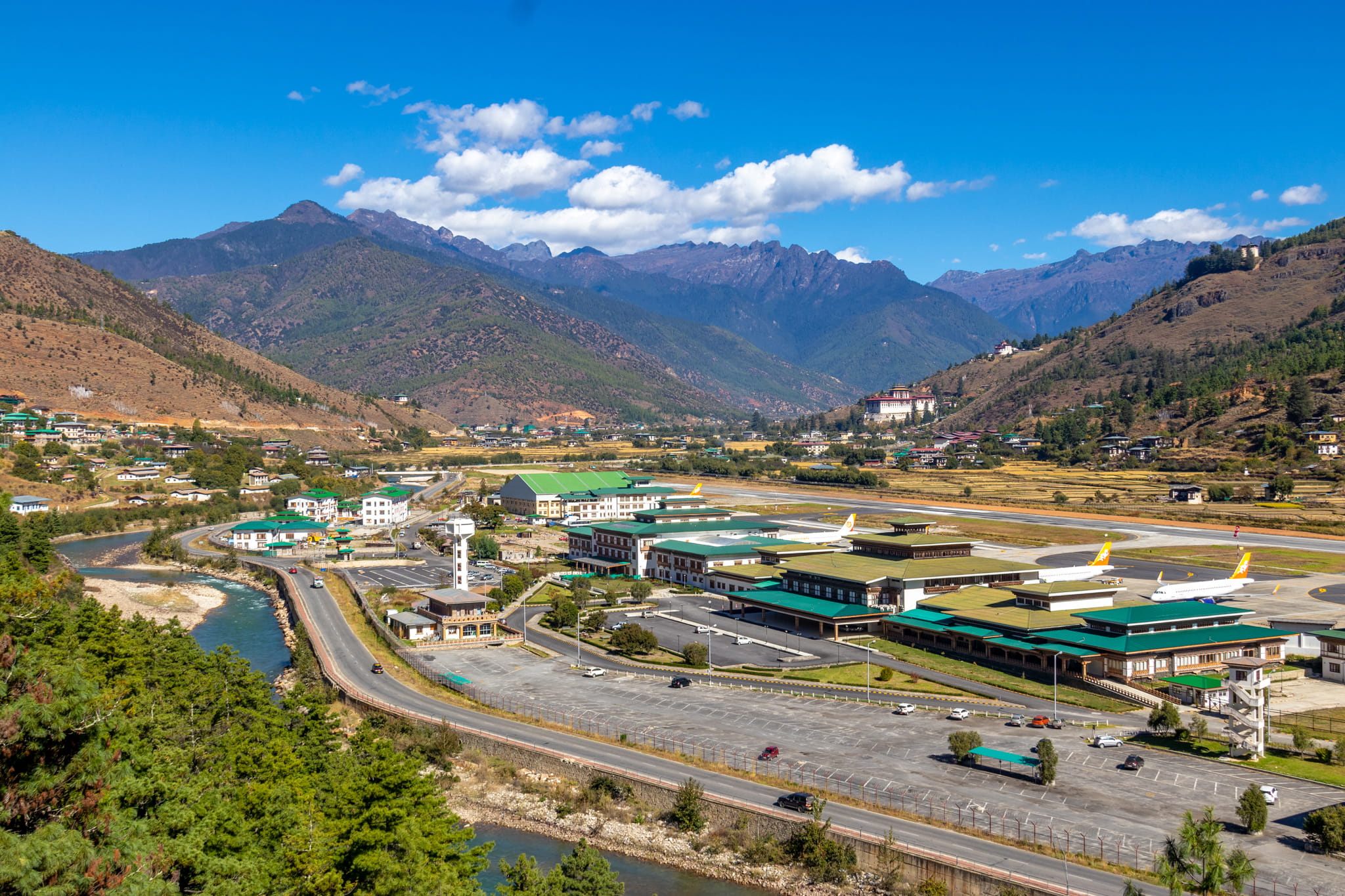
Bhutan has more limited international air capacity than major Asian destinations.
For larger incentive groups, flights should therefore be considered early in the planning process rather than after the land programme has been finalised.
MICE Bhutan can assist with flight coordination and group travel arrangements, including delegates travelling from different origin cities.
Most international visitors require a visa to enter Bhutan.
International travellers are also generally subject to Bhutan's Sustainable Development Fee.
Qualifying MICE groups may be eligible for an SDF waiver for up to five nights, subject to prevailing regulations and official approval.
For a large group, potential SDF savings can be significant.
MICE Bhutan can coordinate visa arrangements and facilitate eligible MICE SDF waiver applications.
This is where Bhutan really shines.
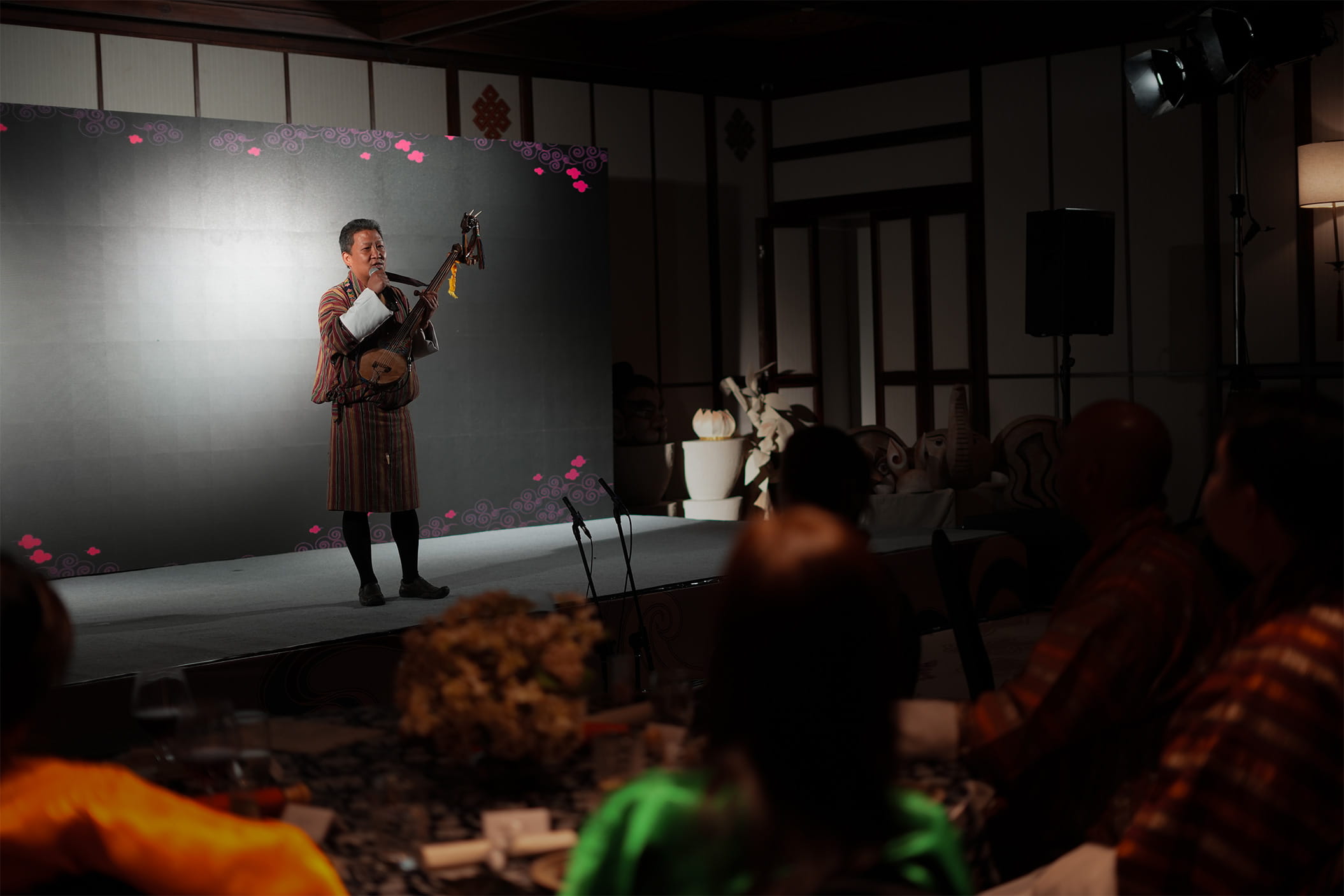
Consider incorporating:
The objective is not to fill every hour.
Allowing some breathing room often produces a better group experience.
Bhutan is mountainous and some of its best known experiences involve walking or hiking.
Not everyone in a corporate group will have the same fitness or mobility level.
Where possible, build alternatives into the programme so delegates can participate comfortably.
This is especially relevant for the Tiger's Nest hike, where alternative activities can be arranged for delegates who prefer not to undertake the full trek.
Hotel selection should consider more than room quality.
For corporate groups, look at:
For larger groups, accommodation may occasionally need to be spread across more than one property.
A successful incentive programme should feel effortless to the participant, even when considerable coordination is happening behind the scenes.
MICE Bhutan can manage the journey from arrival to departure, including flights, visas, SDF applications, hotels, transportation, venues, meals, activities and event logistics.
For larger groups, we recommend beginning the process around six to twelve months before travel whenever possible.
This provides greater flexibility with flights, accommodation and programme design.
Bhutan rewards good planning.
And when everything comes together, it offers something difficult to reproduce elsewhere: an incentive journey that feels like a genuine achievement to experience.
Tell MICE Bhutan your group size, preferred dates and objectives, and our team can begin designing your incentive programme.
