By MICE Bhutan / Posted on 25 August, 2026 13:21
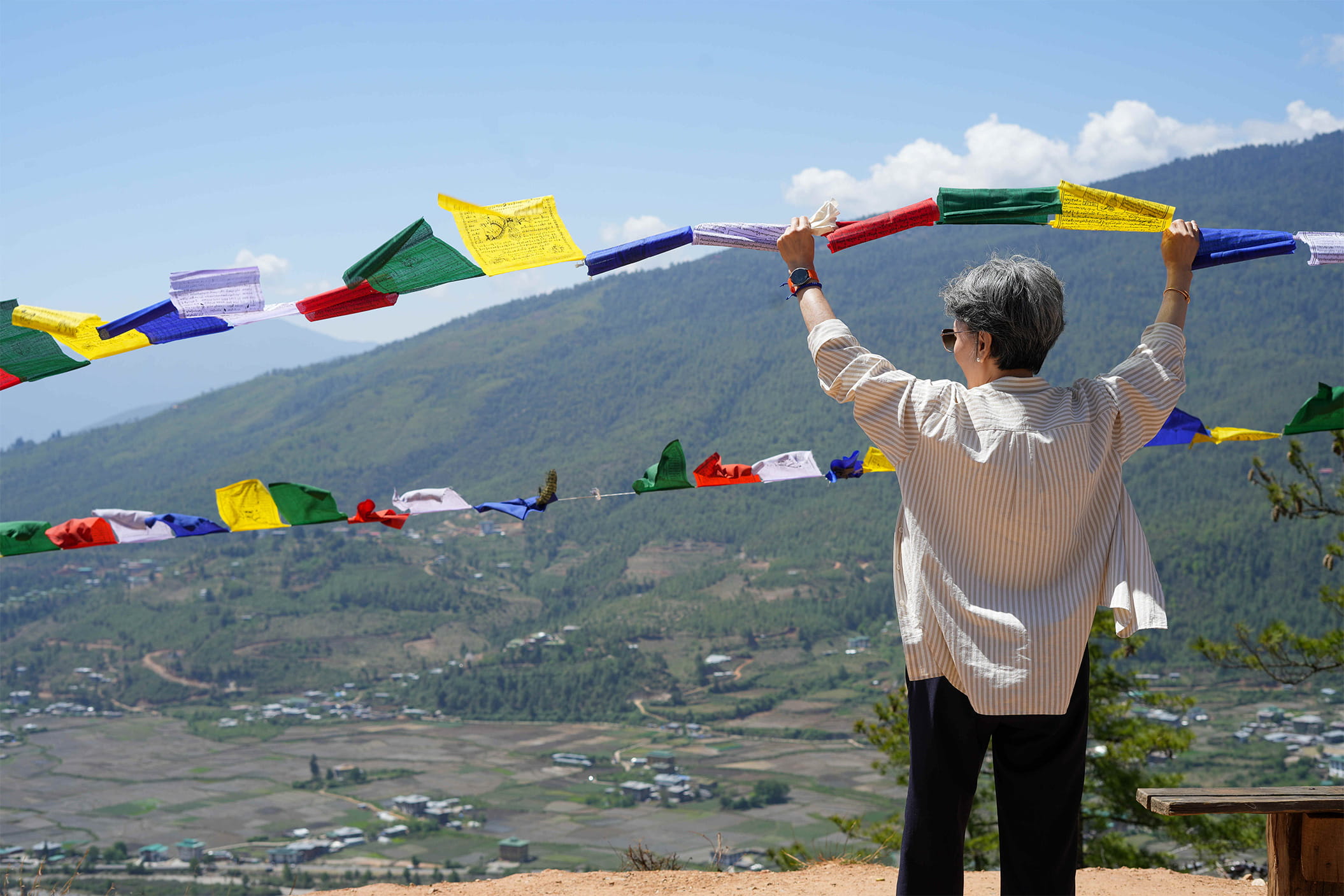
Imagine starting the morning not with traffic, emails and back to back meetings, but with the Himalayas outside your window.
Your leadership team gathers for breakfast before a focused strategy session. Phones are put aside. The usual interruptions are gone.
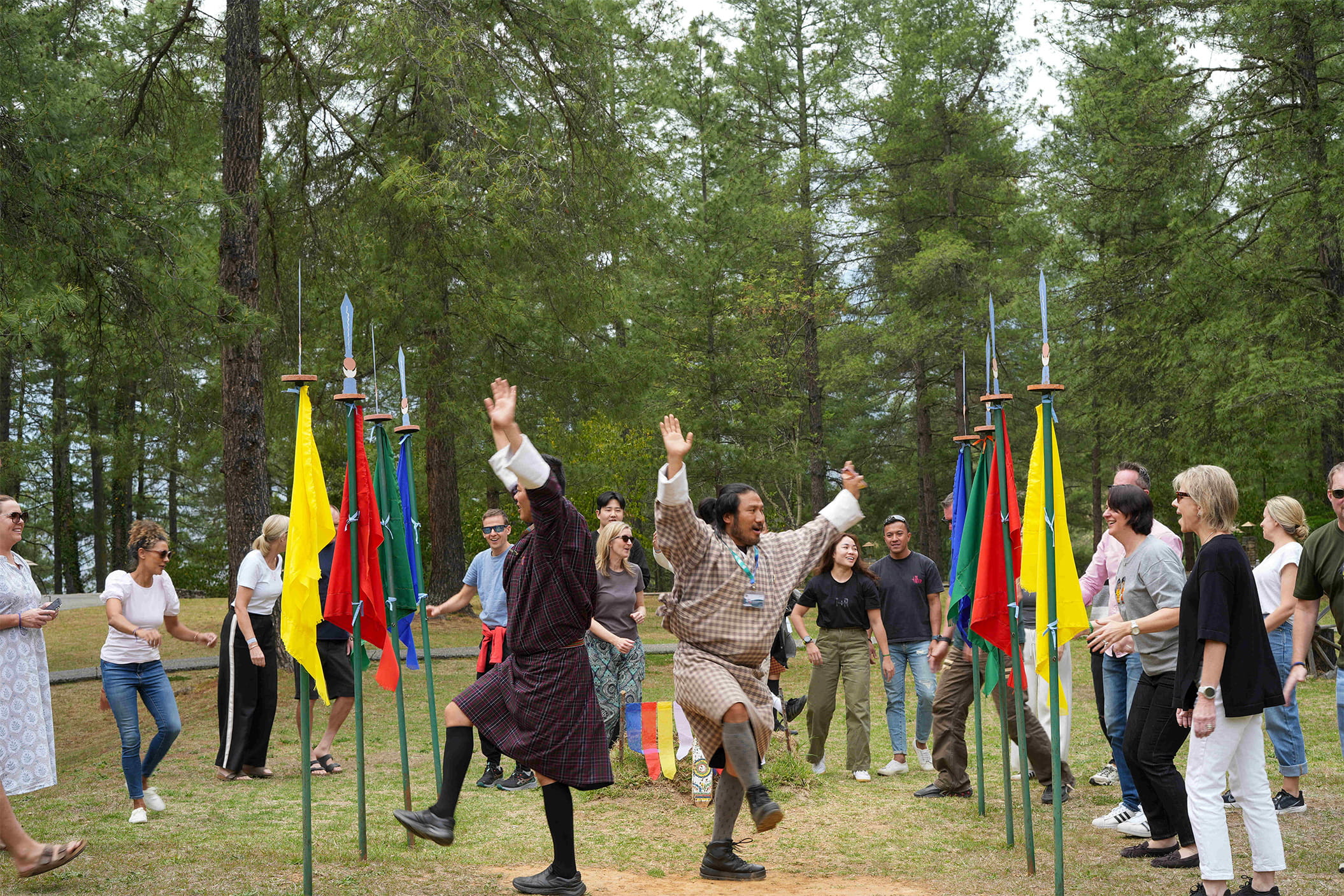
By afternoon, the conversation has moved outside the meeting room. Perhaps you're trying Bhutanese archery together, walking through a monastery or sharing tea overlooking a mountain valley.
That is what makes a leadership retreat in Bhutan different.
It is not about escaping work. It is about creating a different environment in which to think about it.
Every programme should be customised around the organisation's objectives, but a retreat could look something like this.
Arrive in Paro and travel to Thimphu.
Keep the first day deliberately light.
After hotel check in, allow time for delegates to settle before coming together for an informal welcome dinner.
Instead of beginning immediately with presentations and agendas, use the evening to reconnect as people.
Focus: Arrival and connection
Begin with a dedicated leadership or strategy session.
This is the day for the most important conversations: organisational direction, priorities, challenges and opportunities.
After lunch, leave the meeting room.
Explore Thimphu, experience traditional Bhutanese archery or incorporate a cultural experience that gives the team an opportunity to interact in a completely different context.
Finish with dinner somewhere that allows the conversation to continue informally.
Focus: Strategy and team connection
Move from Thimphu towards Paro.
Rather than filling the day with formal sessions, explore themes such as leadership, purpose, wellbeing or organisational culture.
A monastery visit, guided meditation experience or conversation around Bhutan's approach to development can introduce different perspectives.
Allow time for reflection.
Not every retreat outcome needs to appear on a PowerPoint slide.
Focus: Leadership and reflection
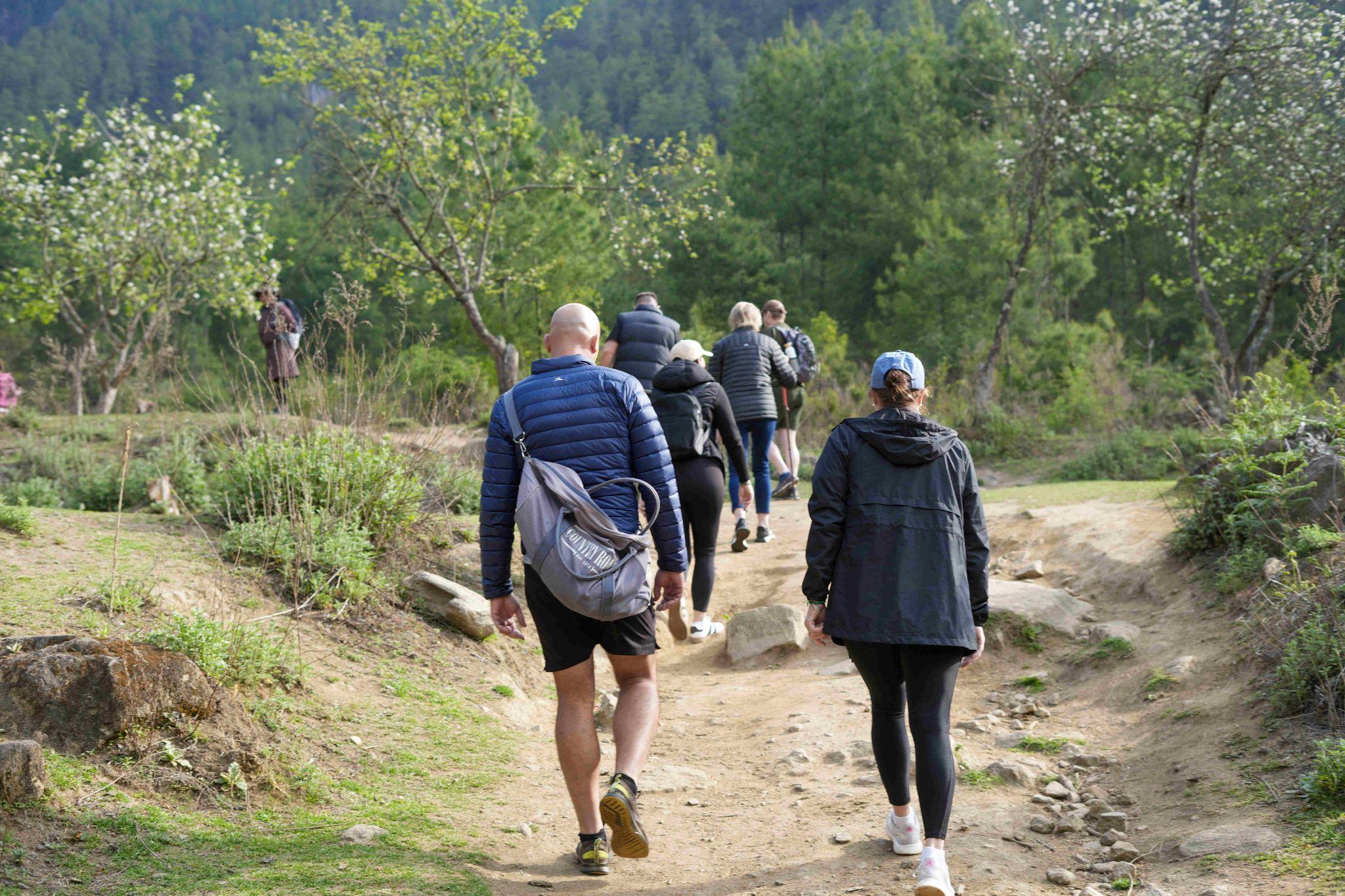
Take on the hike to Tiger's Nest Monastery.
The journey requires effort, patience and encouragement, making it a fitting shared experience towards the end of the retreat.
For delegates unable or unwilling to undertake the full hike, an alternative programme can be arranged.
Return to the hotel with time to rest before a private farewell dinner.
This is a good opportunity to reflect on what the team is taking away from the retreat and what happens when everyone returns to work.
Focus: Shared achievement
Enjoy a slower morning before departing Bhutan.
The retreat ends, but ideally the conversations do not.
Before departure, establish a small number of commitments or actions that will carry the experience back into the organisation.
Focus: Integration and departure
Leadership retreats require something different from incentive travel.
The objective isn't simply to reward people or keep everyone entertained.
You need an environment where senior teams can think, speak openly and spend uninterrupted time together.
Bhutan naturally creates distance from everyday routines.
That distance can be useful.
It gives people permission to slow down.
To listen.
To think beyond next week's priorities.
And to have conversations that are difficult to fit between meetings back home.
There is no perfect leadership retreat itinerary.
A founder led company preparing for rapid growth will have different needs from a regional management team trying to improve collaboration.
Start with the outcome.
Then design the meetings, experiences, locations and pace around it.
MICE Bhutan can work with organisations and facilitators to develop a retreat programme that balances productive sessions with Bhutanese experiences, wellbeing, culture and time for genuine connection.
Tell us what you want your leadership team to walk away with. We'll help design the Bhutan experience around it.
