
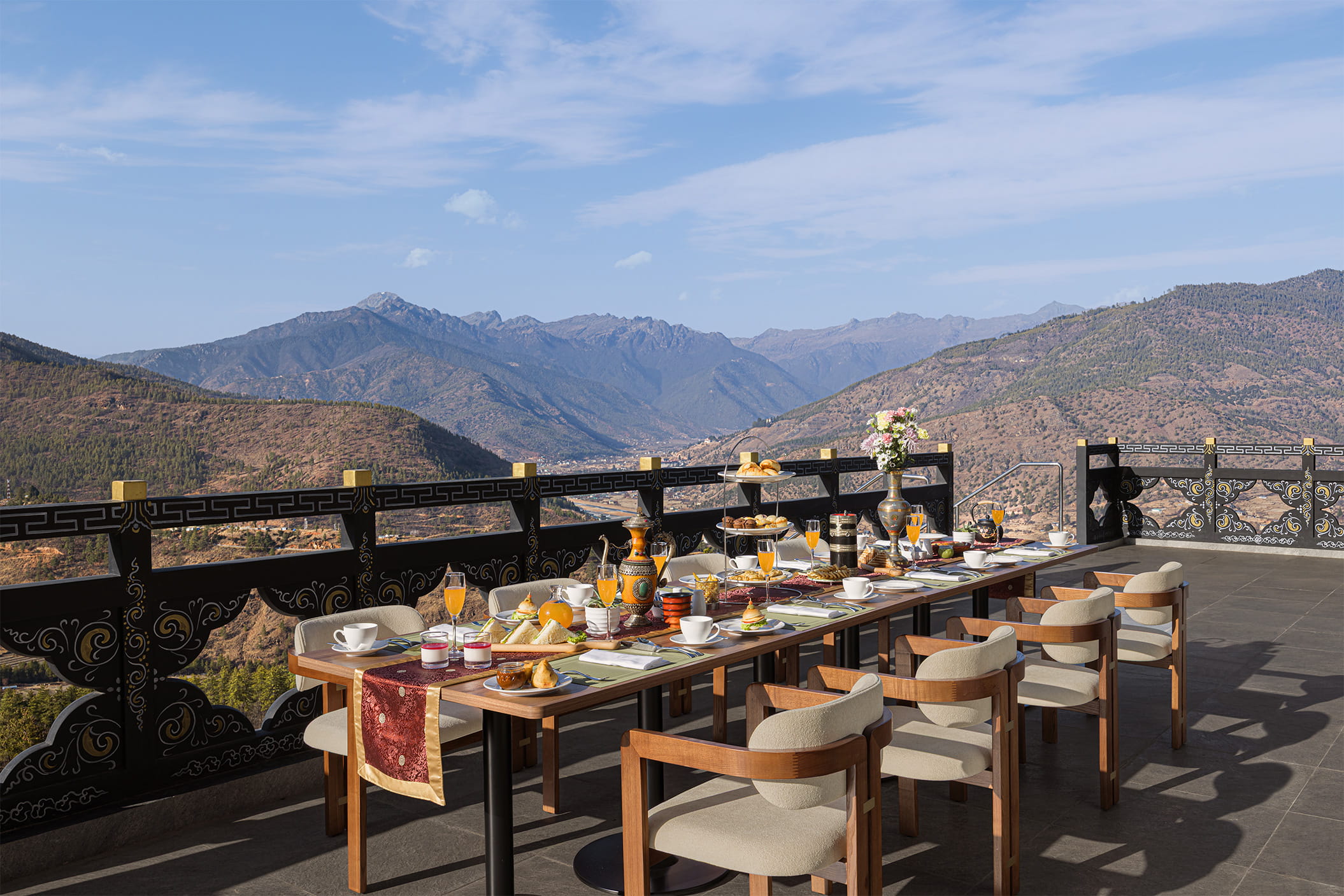
By MICE Bhutan / Posted on 09 September, 2026 12:29
Discover how MICE Bhutan caters for halal, vegetarian, vegan and other dietary needs during conferences, incentive trips and corporate events.
Food has a way of shaping how people remember an event.
A thoughtfully prepared welcome dinner can make delegates feel immediately at ease. A shared Bhutanese meal can spark conversations between colleagues who had barely spoken during the conference. On the other hand, a guest who repeatedly finds nothing suitable at the buffet may remember the inconvenience more clearly than the programme itself.
This is especially important for MICE groups, which often bring together delegates from different countries, cultures and religious backgrounds. Within the same group, there may be guests who require halal meals, vegetarians who consume dairy, vegans who avoid all animal products, people with food allergies and delegates following other religious diets.
The reassuring news is that Bhutan can generally cater for a wide range of dietary needs when they are communicated in advance.
Bhutanese cuisine already draws heavily on rice, vegetables, chillies, cheese and seasonal produce. Hotels and established restaurants in Thimphu and Paro are also accustomed to serving international travellers. The challenge is rarely a complete lack of ingredients. It is making sure everyone understands exactly what each guest requires.
For an individual traveller, a meal can sometimes be adjusted on the spot. For a conference, incentive group or corporate retreat, advance planning matters far more. The same dietary information may need to follow a delegate through hotel breakfasts, conference lunches, gala dinners, packed meals and restaurant stops across several valleys.
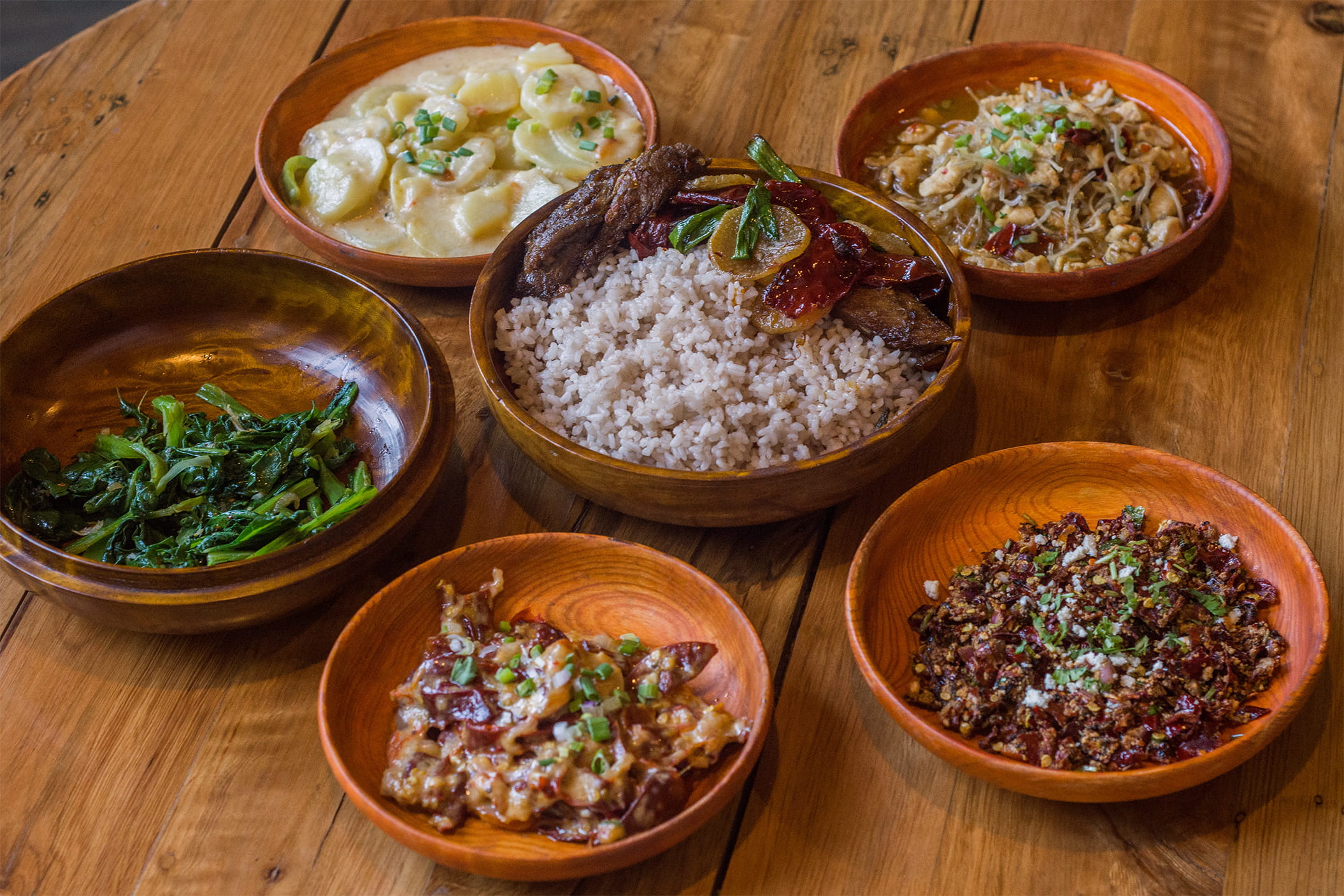
Bhutanese food is warming, generous and often much spicier than first time visitors expect.
Rice forms the base of many meals, with Bhutanese red rice being one of the country's most recognisable staples. Vegetable dishes, lentils and seasonal produce are widely available, which gives chefs a strong foundation for vegetarian and vegan menus.
Cheese is also central to Bhutanese cooking.
Ema datshi, Bhutan's best known dish, combines chillies with cheese. Kewa datshi pairs potatoes with cheese, while shamu datshi uses mushrooms and cheese. These are useful options for many vegetarians, but they are not vegan or dairy free.
Butter can also appear in traditional drinks and dishes. Suja, or Bhutanese butter tea, is made with butter and milk. Breads, desserts, soups and sauces may contain dairy or egg even when these ingredients are not obvious from the name.
Meat is also part of Bhutanese cuisine. Popular dishes include phaksha paa made with pork, shakam paa made with beef and jasha maroo made with chicken. This means a dish described simply as local or traditional tells a guest very little about its suitability.
For an international group, the most successful menus usually combine a taste of Bhutan with familiar choices. Delegates can try local flavours without every meal being intensely spicy, cheese based or unfamiliar.
Halal dining is possible in Bhutan, but it requires more preparation than vegetarian catering.
Bhutan does not currently have widespread halal certified eateries. Currently, only Le Méridien hotels in Thimphu and Paro can offer halal certified meat.
Do note that a hotel serving halal certified meat is not necessarily operating a fully halal certified kitchen. Pork, alcohol or non halal meat may also be handled elsewhere in the same kitchen.
Muslim delegates may have different levels of observance. Some require food from a fully certified halal kitchen. Others may accept halal certified meat prepared in a shared kitchen. Some choose vegetarian, vegan or seafood dishes when travelling, as long as no alcohol, pork or lard is used.
The planner should never decide which alternative is acceptable for the guest. The most respectful approach is to explain clearly what the venue can provide and let the delegate confirm if it meets their needs.
Vegetarian food can provide a practical alternative when halal meat is unavailable, and Bhutan has many meat free dishes. Some guests will accept this arrangement and others will not. It is best to check with the delegates and explain about the limitations.
A complete vegetarian meal should also feel like a proper meal, not a reduced version of what everyone else is eating. Rice, lentils, vegetables, salads, soups and carefully adapted Bhutanese dishes can create a generous menu without relying on meat.
Vegetarians will usually find Bhutan easier than they expect.
Cheese based dishes such as ema datshi, kewa datshi and shamu datshi are widely associated with Bhutanese cuisine. Rice, lentils, vegetable curries, noodles, salads and seasonal produce can provide further variety.
The main concern for an event planner is repetition.
Serving ema datshi at every meal may technically meet the dietary request, but it does not provide the same level of thought or variety offered to other guests. A well planned conference menu can rotate between Bhutanese dishes, Indian inspired vegetarian food and familiar international options.
It is also worth checking how soups, sauces and vegetable dishes are prepared. A dish that appears vegetarian may contain meat stock, animal fat or a meat based garnish. Clear kitchen instructions help avoid these misunderstandings.
Some vegetarian delegates also avoid eggs, while others follow religious practices that exclude onion, garlic or certain ingredients. A registration form that asks only vegetarian or non vegetarian may not collect enough information.
Vegan meals need more deliberate planning because cheese and butter appear so frequently in Bhutanese cooking.
Still, Bhutan has many ingredients that work well in a vegan menu. Red rice, white rice, lentils, beans, potatoes, mushrooms, seasonal vegetables, salads and fruit can be combined into substantial meals.
The difference lies in preparation.
A chef may need to use cooking oil instead of butter or ghee, vegetable stock instead of meat stock and plant based milk for breakfast. Cheese, cream, yoghurt and egg based sauces need to be removed or replaced.
Simply taking the cheese off a completed dish is rarely enough. A better result comes from creating the vegan option as its own meal.
For a conference lunch, this might mean red rice, lentil dal, mild vegetable curry, sautéed greens and fresh fruit. A gala dinner could include a vegetable starter, a thoughtfully plated main course using local ingredients and a dessert prepared without dairy or egg.
The food can still feel distinctly Bhutanese. The purpose is not to serve a separate generic meal while everyone else experiences the destination.
International groups often have needs that extend beyond halal, vegetarian and vegan meals.
Jain delegates may avoid meat, fish, eggs and root vegetables such as onion, garlic, potato and carrot. Individual practices vary, so the kitchen needs a specific list rather than a general request for Jain food.
Guests requesting gluten free meals may also have very different needs. Someone avoiding gluten as a preference may be comfortable with a wider range of preparation methods. A person with coeliac disease may require strict ingredient control and protection from cross contact.
Food allergies need the greatest care because they can present a serious health risk.
The organiser should know the ingredient involved, the level of sensitivity described by the guest and the venue's ability to prepare the meal safely. A note saying nut allergy is not enough if the kitchen does not know that traces from shared utensils could cause a reaction.
Allergy information should be shared directly with the chef or catering manager, not left as a general note in a delegate spreadsheet. The service team also needs to know which meal belongs to which guest and who can answer questions accurately.
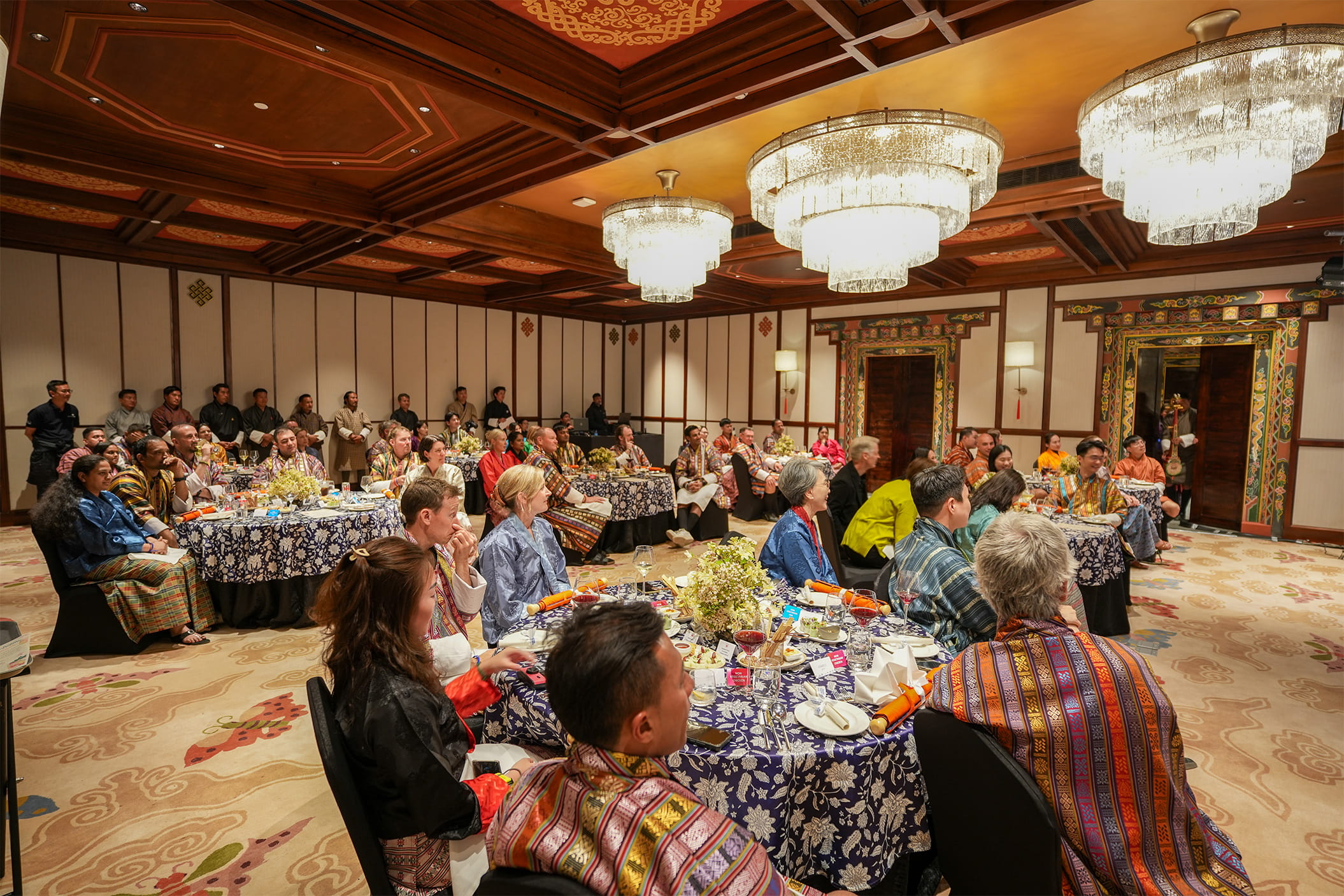
A restaurant may be able to improvise a vegetarian meal for one person. A MICE programme could require 20 vegan meals, 15 halal meals, several Jain meals and individual allergy arrangements to be served at the same time.
It may also involve several kitchens.
Breakfast could be served at the hotel, lunch at a conference venue and dinner at a private event space. The next day, the group may travel to Punakha with a restaurant stop or packed meal along the way.
This is why dietary requirements should be collected during registration and managed centrally.
Each hotel, caterer and restaurant needs the relevant information before the group arrives. Menus should be reviewed in advance, but the final experience also depends on service. The delegate needs to know which dishes are suitable and staff need to answer questions without guessing.
Simple touches make a significant difference. Clearly written buffet labels, separate serving utensils and individually identified allergy meals give guests more confidence. At a plated dinner, linking the dietary meal to the guest's name or seat helps prevent confusion.
An inclusive menu does not need to be bland or overly complicated.
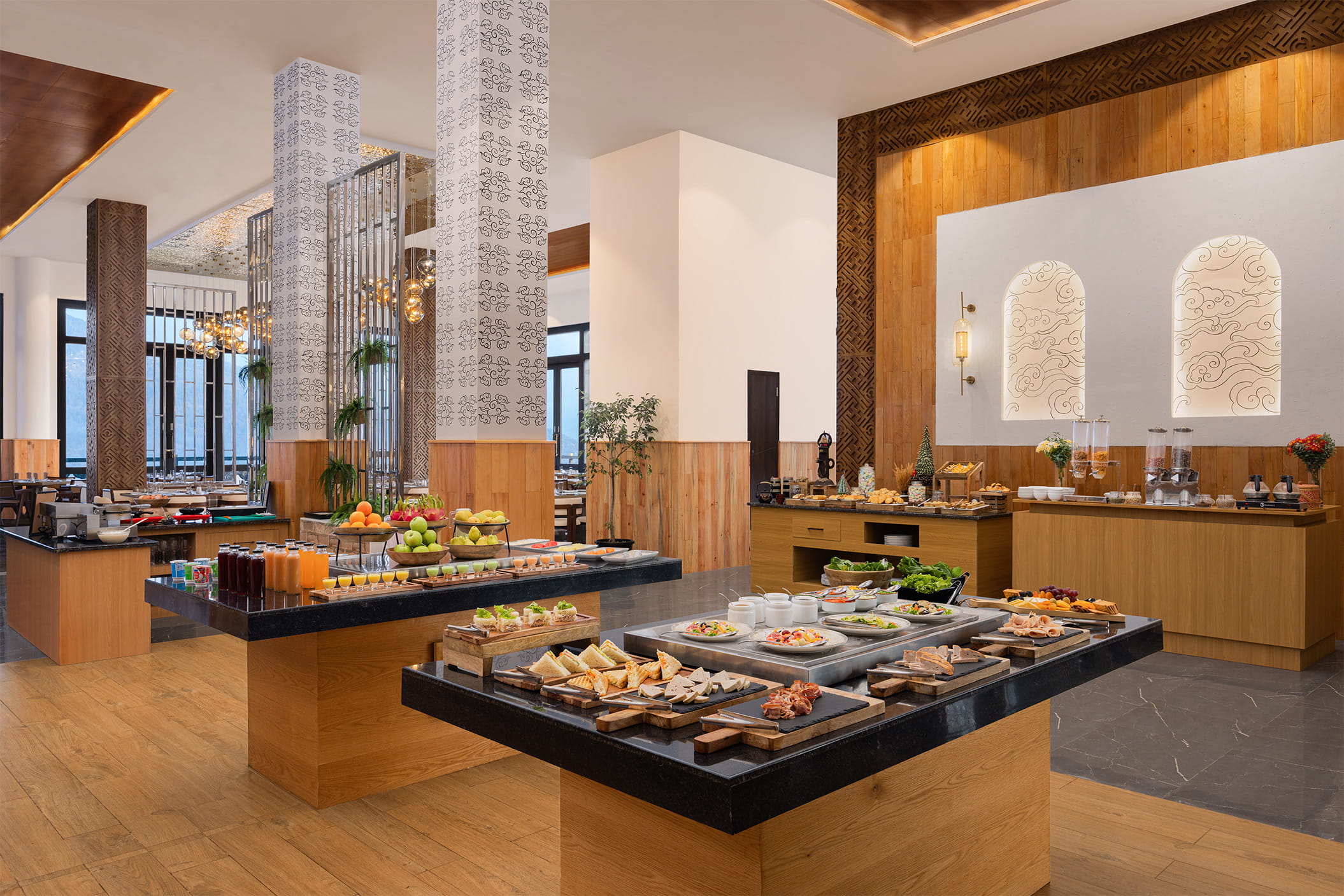
At breakfast, hotels can offer fruit, rice porridge, oats, potatoes, vegetables, egg dishes, breads and a choice of dairy or plant based milk. Ingredients in pastries and breads should be checked for guests avoiding dairy, egg or gluten.
A conference lunch could include red and white rice, lentil dal, a mild vegetable curry prepared without dairy, a separate Bhutanese cheese dish, seasonal vegetables, salad and fruit. A halal meat dish can be added when the sourcing and kitchen arrangements have been verified.
For a gala dinner, the vegetarian and vegan options should receive the same attention as the main menu. A thoughtfully plated plant based main course feels far more considered than a few side dishes placed together at the last moment.
Non alcoholic beverages should also be presented with care. Muslim guests and others who do not drink alcohol should have choices that feel suitable for a celebration, not simply water or a soft drink added as an afterthought.
The chilli level deserves attention too. Dietary suitability does not guarantee that every delegate can manage Bhutanese spice. Each meal should include mild options, with chilli sauces available separately for guests who want more heat.
Bhutan's mountain journeys are part of the experience, but driving between valleys can take several hours.
A suitable restaurant may not be available exactly when the group needs one. For delegates with strict dietary requirements, the answer is to plan the journey meal before departure.
Individually labelled meal boxes, suitable sealed snacks and backup food can prevent a long and uncomfortable wait. The guide or tour manager should know which guests have special meals and where those meals are being carried.
Farmhouse visits and community meals also need advance communication. Hosts should not be expected to redesign an entire meal after the group arrives. With enough notice, the local organiser can discuss what is possible and arrange an additional dish when necessary.
Bhutan can cater for a broad range of dietary requirements, but good outcomes depend on time and communication.
Halal certified meat may need to be sourced. Plant based milk or specialist ingredients may not be stocked routinely. Jain meals require different preparation. A serious allergy may need a direct discussion between the delegate and chef.
Last minute changes are sometimes possible, but they limit the venue's choices and increase the risk of mistakes.
For MICE groups, dietary information should be collected as soon as registration opens. Details can then be confirmed privately with delegates whose requests need clarification.
The final information should follow the guest throughout the programme, including hotel breakfasts, conference meals, restaurants, packed lunches and departure day arrangements. Delegates should not have to explain the same requirement again at every table.
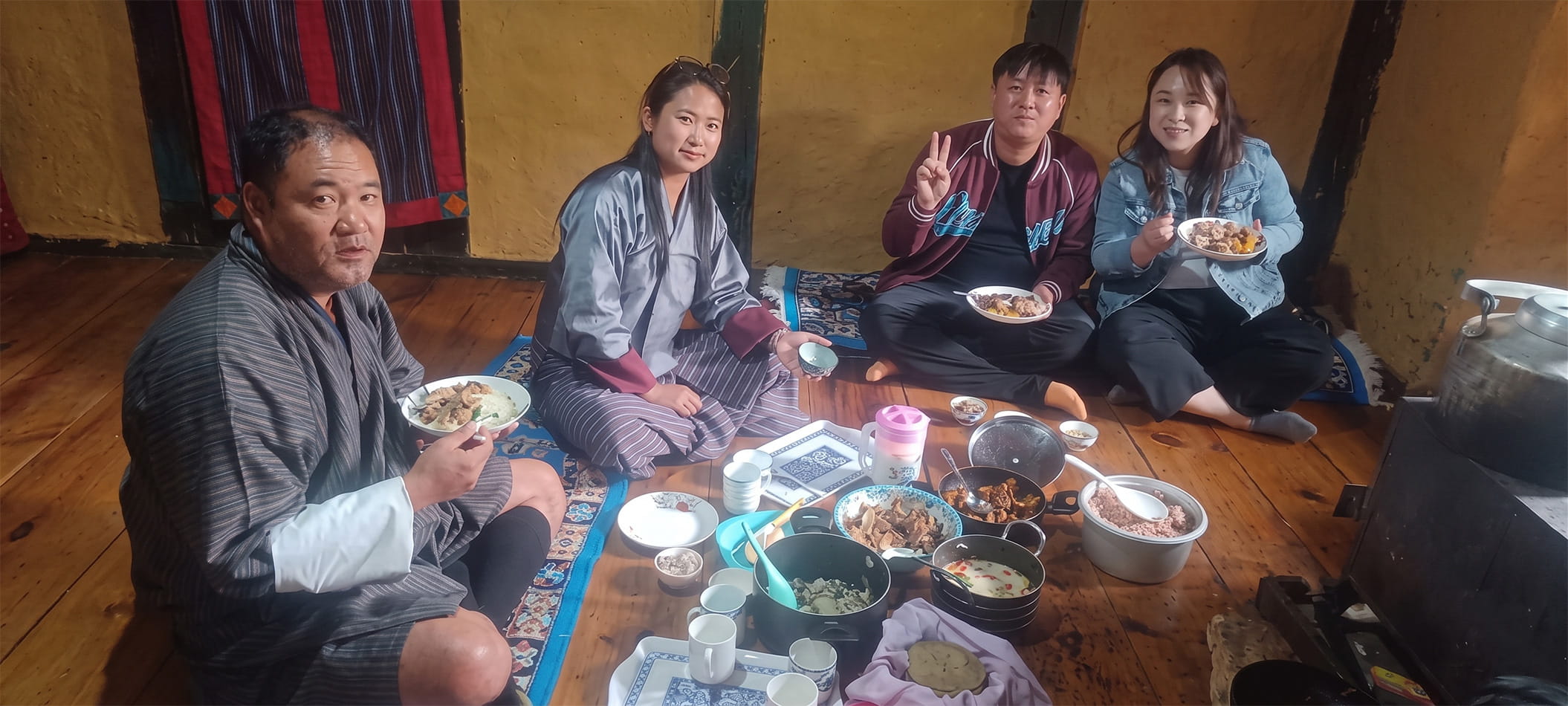
Eating together is an important part of a corporate journey.
It is where delegates relax after the formal programme, continue conversations and experience Bhutan beyond the meeting room. Inclusive catering allows every participant to be part of those moments with confidence.
Vegetarian guests can enjoy Bhutan's cheese dishes, rice and vegetables while still receiving variety. Vegan guests can experience local ingredients through thoughtfully adapted recipes. Muslim delegates can be supported through clear halal arrangements, suitable alternatives and prayer space. Guests with allergies can dine more safely when their needs are handled directly and precisely.
None of this requires the event to lose its Bhutanese character.
It simply requires menus to be planned with the same care as the venue, programme and guest journey.
MICE Bhutan can coordinate dietary requirements across hotels, conference venues, restaurants and travel days. Our team can discuss menu options, verify what each venue can provide and help communicate the arrangements clearly to your delegates.
Planning a conference, incentive trip or corporate retreat in Bhutan? Share your group size, itinerary and dietary needs with us early, and we will help make sure every guest feels welcome at the table.
