
By MICE Bhutan / Posted on 09 September, 2026 12:12
Plan an association conference in Bhutan with guidance on venues, flights, visas, delegate logistics, programmes, technology and the MICE SDF waiver.
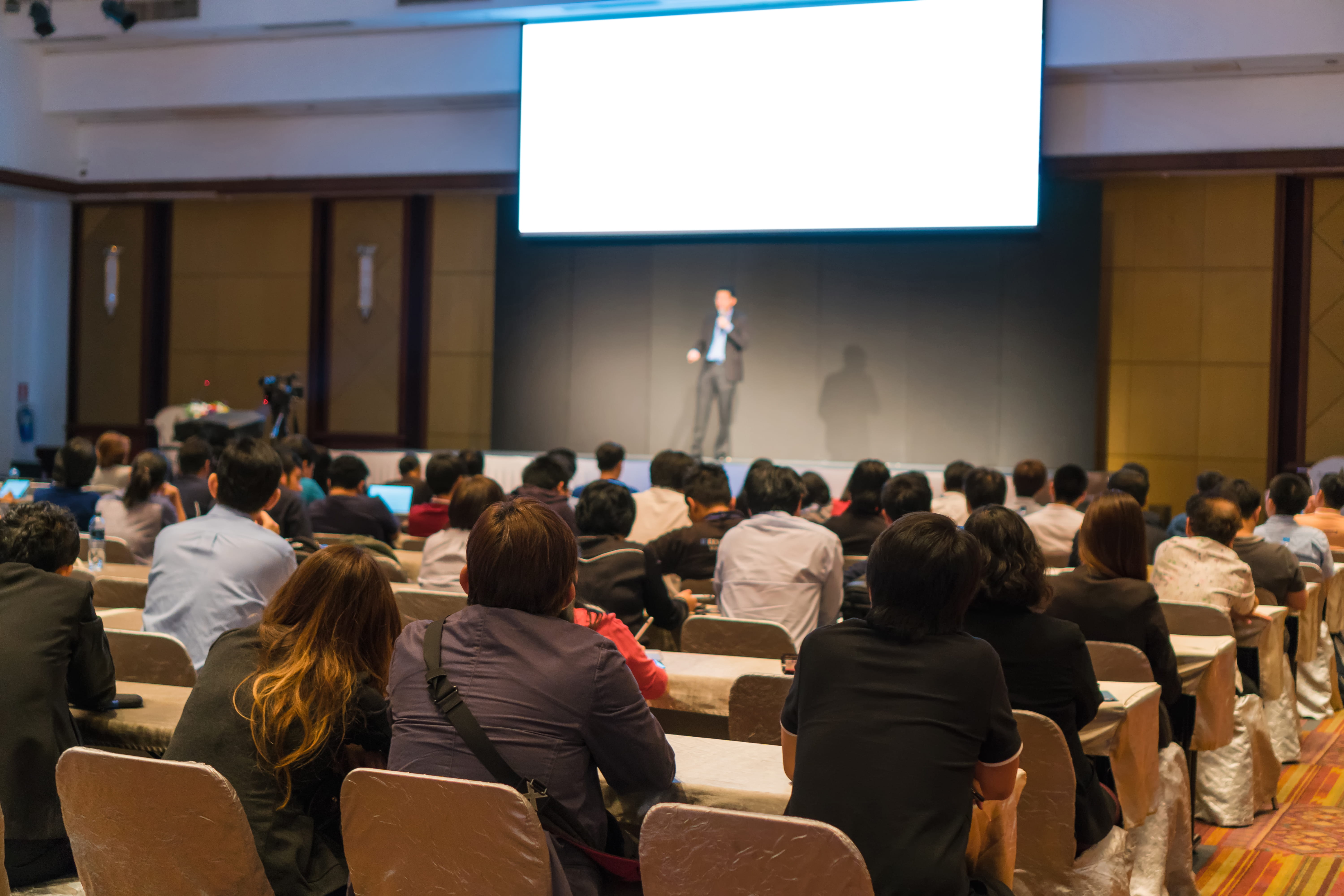
An association conference should do more than bring members into the same room.
It should create useful conversations, strengthen professional relationships and give delegates a reason to remember the event long after the final session.
Bhutan offers associations and professional bodies a conference setting that feels very different from the familiar circuit of convention cities. Formal sessions can be combined with mountain scenery, cultural experiences, traditional Bhutanese hospitality and time for delegates to connect away from a crowded exhibition floor.
The destination is especially compelling for associations that value sustainability, leadership, wellbeing, knowledge exchange or meaningful international engagement.
Planning a conference in Bhutan does require careful coordination. Flight capacity, visas, hotel inventory, road travel, technical production and delegate movements all need to be considered early. With the right local support, those details can be brought together into a professional conference programme that also gives delegates a genuine experience of Bhutan.
This guide explains the main decisions an association should make when considering Bhutan for its next conference.
Bhutan can host many types of professional and association gatherings, including:
The destination is particularly strong for events that value quality of engagement over volume alone. A focused conference of 50, 100 or 300 delegates can make excellent use of Bhutan's hotels, institutional venues and cultural programme options.
Larger events may also be possible, but require earlier planning and more detailed coordination across venues, hotels, flights and transport.
Delegates often arrive at large city conferences with competing appointments, local commitments and numerous events happening nearby. In Bhutan, participants are more likely to remain engaged with the official programme and spend meaningful time with fellow members.
The destination naturally creates a shared experience. Delegates travel through the same landscapes, learn about Bhutan together and continue conversations during meals and cultural activities.
Associations compete for members' time and travel budgets. A conference in Bhutan can offer a compelling reason to attend because the destination itself feels rare and memorable.
This can be especially valuable for international associations looking to refresh an established conference format or attract members from across Asia and beyond.
Bhutan provides a relevant setting for conferences connected to sustainability, public policy, education, culture, wellbeing, conservation, leadership and responsible development.
The destination can support the event's theme without forcing it. Sessions about long term thinking or environmental responsibility carry a different weight when delegates can also experience Bhutan's landscapes, communities and cultural institutions.
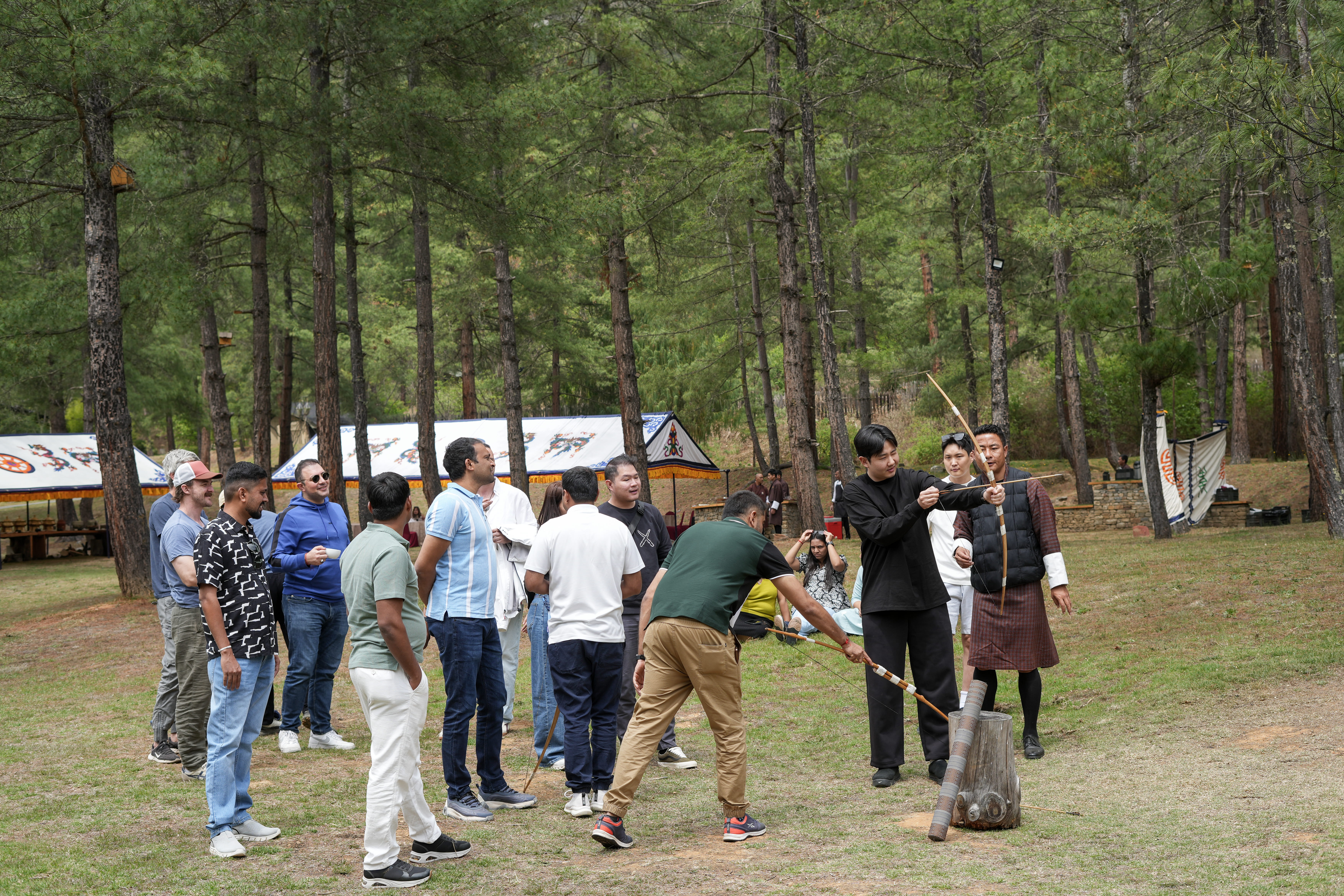
A morning plenary can be followed by Bhutanese archery, a museum visit, meditation, a private cultural performance or a guided walk. These experiences give delegates more natural ways to meet one another and strengthen professional relationships.
Before comparing venues or hotel rates, define what the association wants the event to achieve.
Important questions include:
These answers will influence the venue, programme length, room setup, technical requirements and staffing plan.
An early delegate estimate is essential because group size affects almost every planning decision.
The association should develop at least three attendance scenarios:
Each scenario should be tested against venue capacity, hotel rooms, flight seats, coaches, dining spaces and activity logistics.
The attendee profile matters too. A conference drawing mainly from South Asia may require a different flight and arrival plan from one attracting delegates from Europe, Australia, North America and East Asia.
Associations should also estimate the number of speakers, organisers, sponsors, accompanying guests and support staff separately from paying delegates.
For most international association conferences in Bhutan, beginning 12 to 18 months ahead gives the organising committee more flexibility.
Smaller meetings may be arranged within a shorter period, but early planning is strongly recommended when the event involves:
Early confirmation also gives delegates more time to secure approval, funding and travel arrangements.
Thimphu
Bhutan's capital is usually the first destination to consider for an association conference.
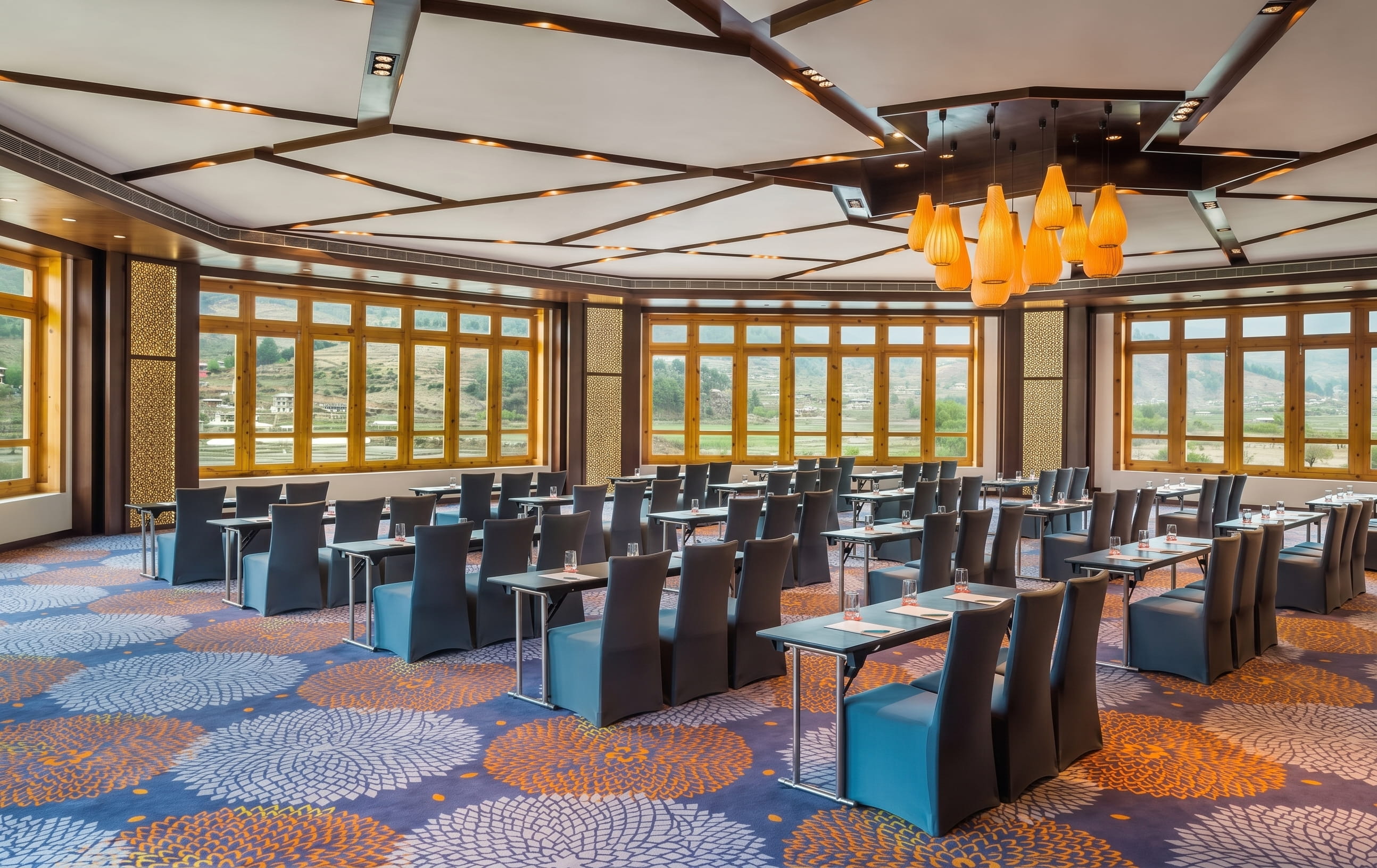
Thimphu offers one of the country's widest selections of hotels, meeting facilities, restaurants, government institutions and cultural attractions. It works particularly well for conferences requiring plenary sessions, breakout rooms, networking functions and access to local professional or government stakeholders.
Venue options range from premium hotels to institutional facilities. The Royal Institute of Management, for example, has an auditorium listed for up to 3,000 people in theatre style, together with a separate meeting hall. Hotels such as Pemako Thimphu and Le Méridien Thimphu can combine accommodation, meetings and dining within one property.
Paro
Paro offers the advantage of proximity to Bhutan's main international airport.
It is particularly suitable for smaller association conferences, leadership forums, board meetings and gatherings that place a strong emphasis on culture, wellness or delegate experience.
Paro also provides access to premium resorts, distinctive event settings and Tiger's Nest Monastery. A compact event based in Paro can reduce the number of hotel changes and simplify departure day arrangements.
Combining Thimphu and Paro
Many programmes use Thimphu for the main conference and Paro for a closing event, member excursion or post conference extension.
This allows the association to use the stronger conference infrastructure of the capital while giving delegates time to experience Paro's landscape and cultural sites.
The transfer time and luggage movement should be included carefully in the programme.
The largest meeting room is not automatically the best venue.
Associations should assess:
A detailed floor plan should be reviewed before confirmation. If the event uses more than one property, transport time between the conference venue and delegate hotels needs to be tested under realistic conditions.
Bhutan charges most international visitors a nightly Sustainable Development Fee, commonly known as the SDF.
Qualifying conferences may apply for an SDF waiver for eligible participants. Under the currently published framework, approved participants may receive a waiver for up to five nights per event, including arrival and departure days.
Current criteria published by MICE Bhutan include:
The waiver should be treated as a possible saving, not an automatic discount. Eligibility needs to be assessed early, and the association should avoid committing the saving within its final budget until approval is received.
Requirements may change, so the latest official criteria should always be checked when planning begins.
The budget should extend beyond venue hire and hotel rooms.
Allow for:
Associations should decide which items are covered by registration fees, sponsorship, the host organisation and optional delegate purchases.
Bhutan's international air access is more limited than that of a major conference city, so flights need to be addressed early.
Start by mapping where delegates are expected to travel from. Then identify the most practical gateways and possible arrival patterns.
The flight plan should consider:
Encourage delegates to book through an approved process rather than choosing unrelated flight combinations that are difficult to coordinate.
For a larger conference, a central travel desk can monitor arrivals, manage changes and keep the organising committee informed.
International delegates may have different entry requirements depending on nationality.
The registration process should collect the necessary passport and travel information securely, with clear deadlines. Delegates also need guidance on passport validity, visa processing, travel insurance and any documents required for the event.
A useful delegate information pack should explain:
The association should avoid sending sensitive passport information through unsecured group email chains. A controlled collection process and clearly defined access permissions are essential.
Association conferences often involve more complex content management than corporate meetings.
The organising committee may need to coordinate:
Build the programme with realistic transitions between sessions. Allow enough time for networking, questions and movement between rooms.
Bhutan also gives associations opportunities to include local expertise. Relevant Bhutanese professionals, researchers, institutions or community representatives may be invited into the programme when appropriate and mutually beneficial.
Technical production should be assessed room by room rather than discussed only as a general venue feature.
Confirm requirements for:
Internet access is generally stronger in Thimphu and Paro than on the roads between valleys, but venue performance can vary. If the conference depends on streaming, cloud demonstrations or remote participation, a technical test and suitable backup should be arranged.
Speakers should submit presentations before the event so files can be checked and loaded in advance.
Keeping delegates together simplifies communication, transport and networking.
For larger conferences, a single hotel may not have enough rooms. In that case, the room block should be divided across nearby properties of a comparable standard, with clear allocations and scheduled transport.
The transport plan should cover:
Delegate manifests should be updated throughout the registration period. Last minute changes are inevitable, so an on the ground transport coordinator needs the authority to adjust vehicles and timings quickly.
Associations serve diverse memberships. The conference design should account for different ages, physical abilities, dietary needs, languages and professional circumstances.
Consider:
Accessibility requirements should be gathered during registration and confirmed with venues and suppliers well before arrival.
The social programme is not an optional extra. For many association members, networking and peer relationships are central reasons for attending.
Bhutan gives organisers a wide range of possibilities:
Activities should be matched to the delegate profile. A demanding hike should never be the only networking opportunity available.
Sponsors often make association conferences financially possible, but their needs must be included in the venue plan from the beginning.
Confirm:
Transporting elaborate exhibition structures into Bhutan may add cost and complexity. Locally produced signage and simpler reusable displays can reduce freight while supporting a cleaner event design.
An association conference in Bhutan should respect the destination that makes the event distinctive.
The organising committee can:
The association can also consider what continues after the event. A scholarship, professional exchange, museum contribution, research partnership or recurring local collaboration may create a more credible legacy than a single ceremonial activity.
Every international conference needs a clear risk plan.
In Bhutan, this should address:
Assign clear responsibility for each area and prepare alternative arrangements for important programme elements.
A local operations team is particularly valuable when a decision needs to be made quickly during the event.
Day 1: Arrival and welcome
Delegates arrive in Paro and transfer to Thimphu. Hold registration at the main hotel, followed by a relaxed welcome reception and an introduction to Bhutan.
Day 2: Opening conference programme
Begin with the opening ceremony and keynote session, followed by plenary presentations and breakout discussions. Include an extended networking lunch and a cultural or archery experience in the late afternoon.
End with a Bhutanese welcome dinner.
Day 3: Specialist sessions and association business
Continue with technical sessions, workshops, poster presentations or professional meetings. Schedule the annual general meeting or council session in a separate room if required.
The evening can feature a gala dinner, awards presentation or private cultural performance.
Day 4: Learning beyond the venue
Offer a professional site visit, cultural programme, wellbeing activity or guided excursion. Delegates may then return home or continue to Paro for an optional post conference journey.
12 to 18 months before
Confirm objectives, estimated attendance, dates, venue options, hotel capacity, initial budget and local planning partner.
9 to 12 months before
Contract venues and accommodation, assess SDF waiver eligibility, develop the programme structure, invite key speakers and launch sponsor discussions.
6 to 9 months before
Open registration, publish delegate travel guidance, begin abstract submissions and confirm the social programme.
3 to 6 months before
Review attendance, secure flight arrangements, begin visa documentation, finalise suppliers and confirm technical production.
1 to 3 months before
Finalise rooming lists, transport manifests, dietary requirements, speaker schedules, signage, delegate materials and venue setups.
Final weeks
Check every arrival, room allocation, transfer, session, meal, technical requirement and emergency contact. Brief staff, speakers and suppliers using the same confirmed event plan.
Associations can receive more useful proposals by providing clear information from the beginning.
Include:
This gives the local planning team enough detail to recommend realistic venues, routes and programme options.
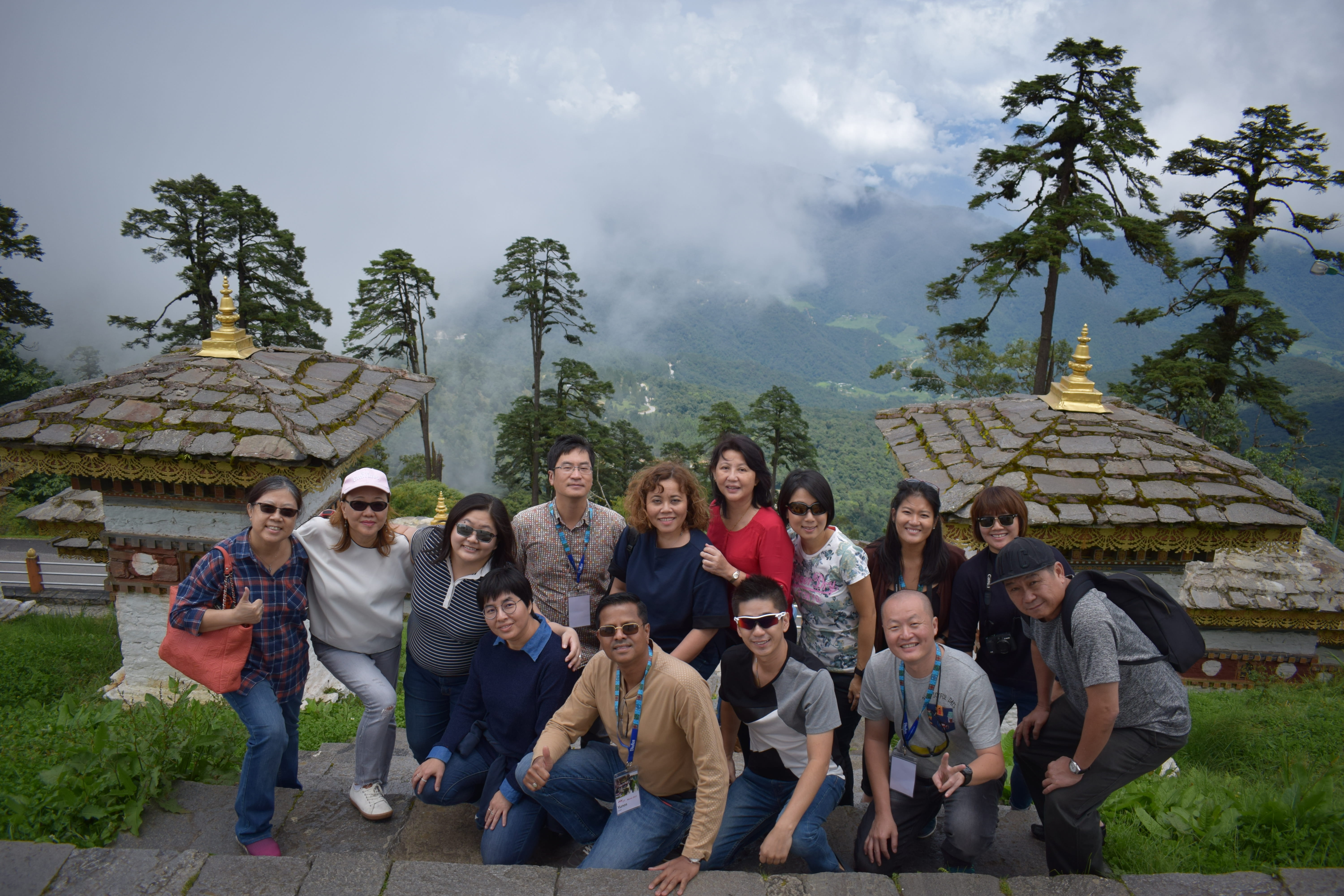
A successful conference in Bhutan brings professional content, delegate care and destination experience together.
Associations need a partner who understands both conference operations and the practical realities of travel within Bhutan. Flights, visas, SDF applications, hotels, venues, transport, technical production, speakers, dining and cultural experiences must work as one coordinated programme.
MICE Bhutan can support associations and professional bodies from initial feasibility through to on the ground delivery. Our team can help assess venues, develop budgets, coordinate delegate travel, manage local suppliers and create a conference experience shaped around your members and objectives.
Share your proposed dates, attendance, conference format and requirements with us. We will help you determine what is possible and build a practical plan for bringing your association to Bhutan.
